Back To Projects

Deep Learning Approach to Gated Coronary Artery Calcium Scan Segmentations

Ryan C.

The work done in this paper highlights the use of Tversky loss in small segmentations and using an ensemble model to achieve higher accuracy.


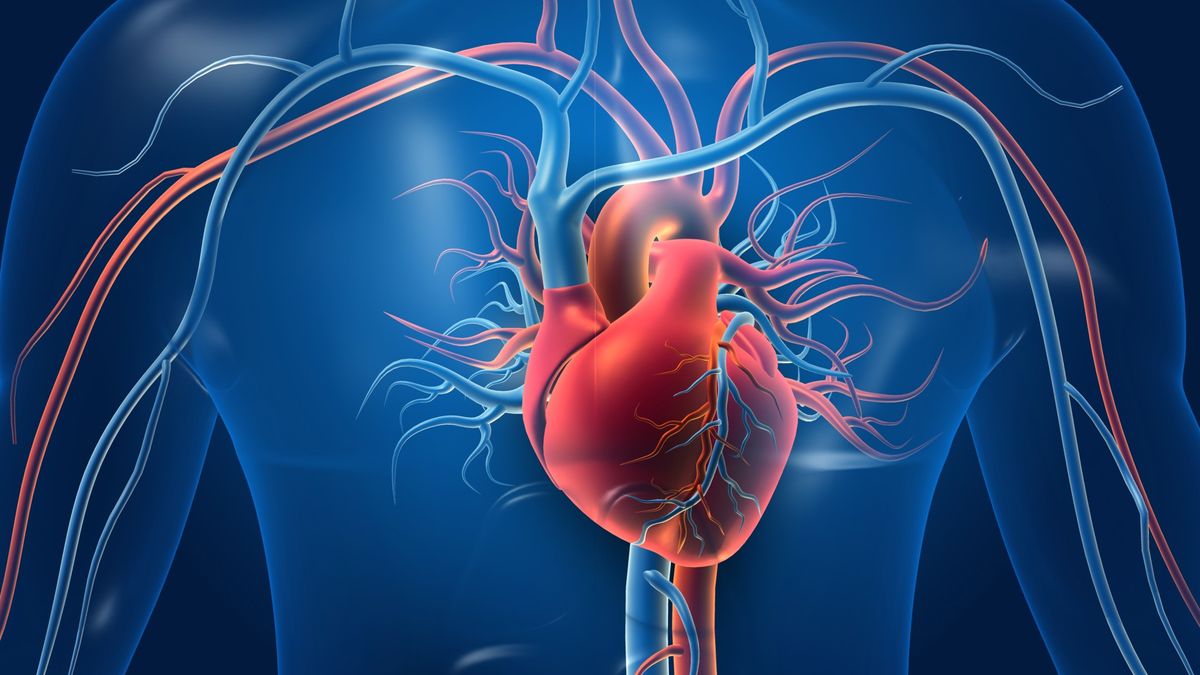
Coronary artery calcium (CAC) tests are a CT scan of the heart that takes detailed images of arteries to locate deposits of calcium. Excessive calcium in the arteries can lead to reduced blood flow to the heart and cause heart diseases. These are important indicators for heart attacks and diseases and getting CAC scans are useful in identifying high-risk individuals. Agatson scores are the calculations of total calcium in the heart, state of the art programs are currently about 95 percent accurate. The work done in this paper highlights the use of Tversky loss in small segmentations and using an ensemble model to achieve higher accuracy.

Explore More!

Source Code
Ryan C.

Related Projects

workspace_premium
Evaluating Machine Learning Models on Predicting Change in Enzyme Thermostability

Our research problem is finding the best machine learning model to predict the change in enzyme thermostability after a single point mutation in the amino acid sequence.
Avnith V.
Mentored by Jacklyn Luu
Using Machine Learning Models to Predict Heart Disease and Attack with Non-Clinical and Non-Wearable Variables

This study uses data from the CDC’s Behavioral Risk Factor Surveillance System (BRFSS) to train machine learning models that predict heart disease risk based on non-clinical factors. The research demonstrates the potential for cost-effective, data-driven screening tools for early heart disease detection, though further improvements are needed for real-world application.
Samuel P.
Mentored by Rami Abi-Akl
workspace_premium
Differences in predicted rates of vaginal births after cesarean across racial groups in a ‘race-neutral’ model

A large body of work in machine learning has highlighted that supposedly de-biased systems often re-code sensitive variables like race in terms of proxy variables. In order to determine if this was the case in this calculator, we replicated their formula, then found base-rate statistics of all the input variables for three different racial groups: Black, White, and Asian.
Anjali S.
Mentored by Katie O'Nell