
Human-Robot Task Handoff: A Probabilistic Modeling Approach Explored through Cooperative Drawing
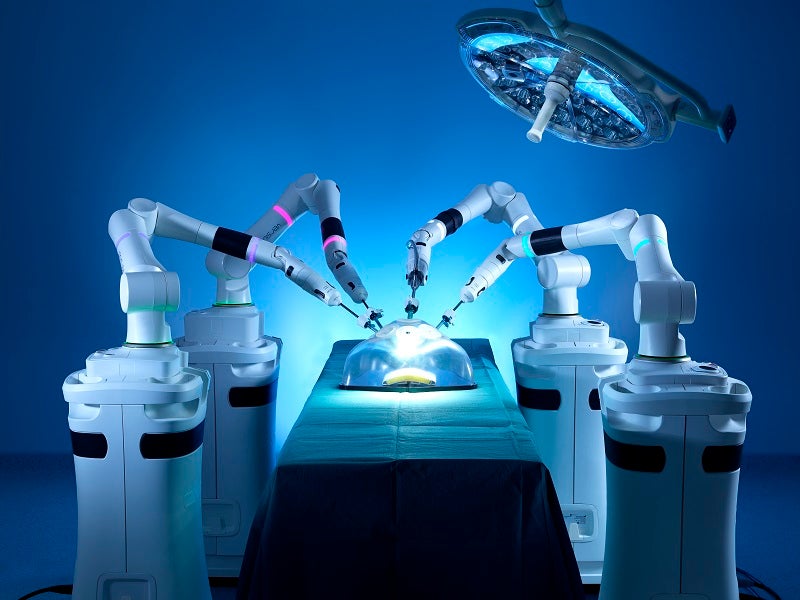
This paper investigates the task of handoff detection, crucial for the success of robot-assisted surgery, focusing on the creation of a synthetic dataset that can be used for training and benchmarking models for this task.
Recent research in human-robot interaction explores the potential for human-machine collaboration in surgical procedures, dividing tasks into manual and automatable subtasks. This paper investigates the task of handoff detection, crucial for the success of robot-assisted surgery, focusing on the creation of a synthetic dataset that can be used for training and benchmarking models for this task. We present a dataset of parabolas, simulating cooperative drawing between a human and a robot, with variations in drawing rates and added noise. The study demonstrates the applicability of HMMs in determining handoff points, laying the groundwork for future research in human-machine collaborative surgery. The dataset, along with the provided code and raw data, are provided as a resource for future research. Finally, we discuss the limitations of the dataset and suggest directions for future research, emphasizing the need for higher-dimensional and real-world datasets.
Explore More!

Related Projects

© 2022 Inspirit AI. All Rights Reserved.