
Using Machine Learning to identify the Habitability of Exoplanets from TESS Transit Data
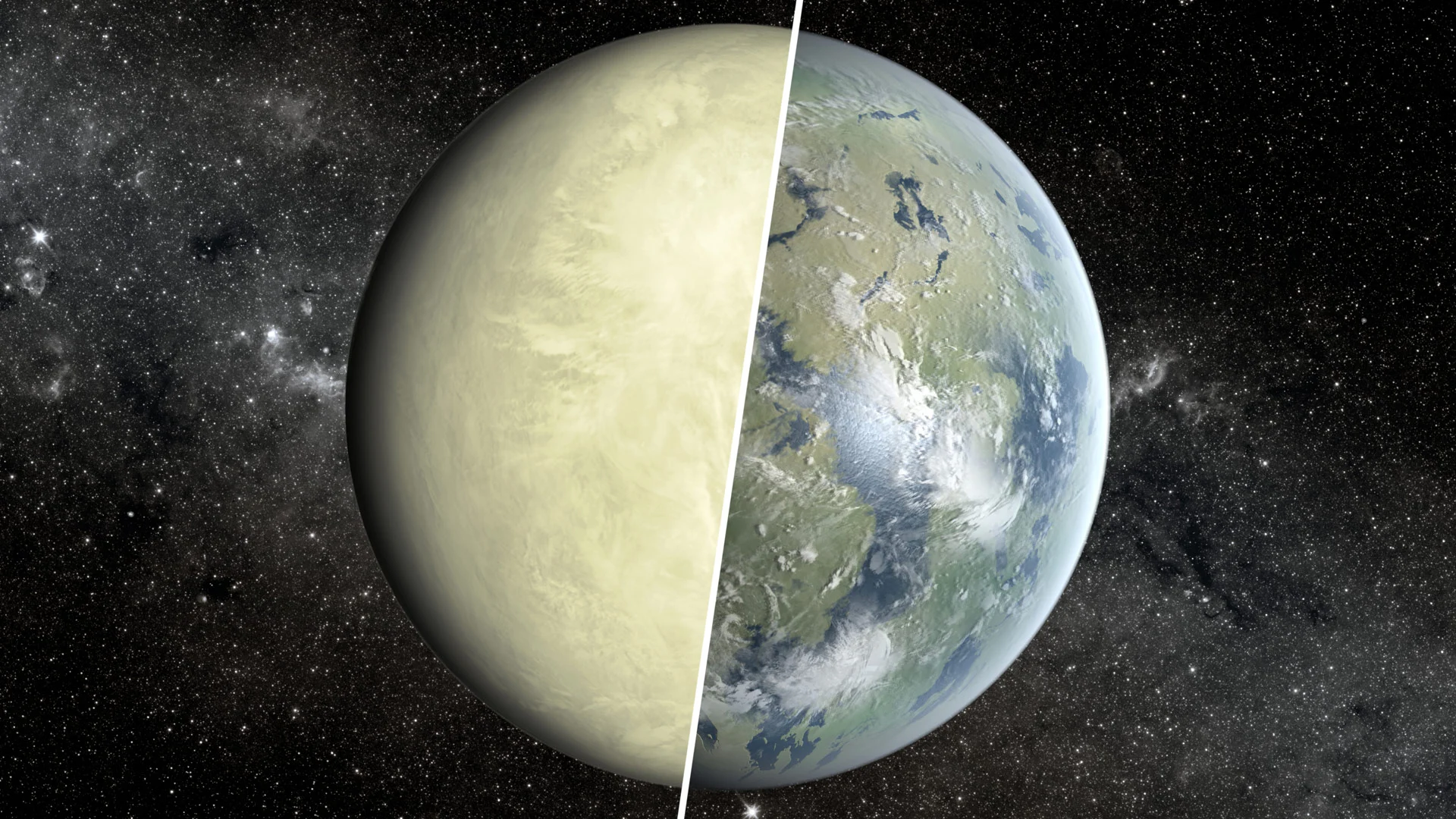
With so many new tools and methods to detect exoplanets, it is time to start determining which are deserving of more research in the hunt for other habitable planets.
With so many new tools and methods to detect exoplanets, it is time to start determining which are deserving of more research in the hunt for other habitable planets. We began our research with exoplanets that are similar to Earth as the most likely to house life. We used transit measurements such as an exoplanet's size, temperature, and relative distance from its star as well as machine learning to develop two models: one to predict if an object of interest was an exoplanet and another to cluster our data to determine its similarity to Earth. We achieved an 88.7% accuracy for the first model, and our clustering algorithm found interesting results when compared to a graph showing the principal components of the data. We found that our Earth data point fell right on the origin of our 2 dimensional PCA graph and was placed in our largest cluster. Both of our models showed that machine learning can be useful in the search for habitable exoplanets and is deserving of more research.
Explore More!
Related Projects

© 2022 Inspirit AI. All Rights Reserved.