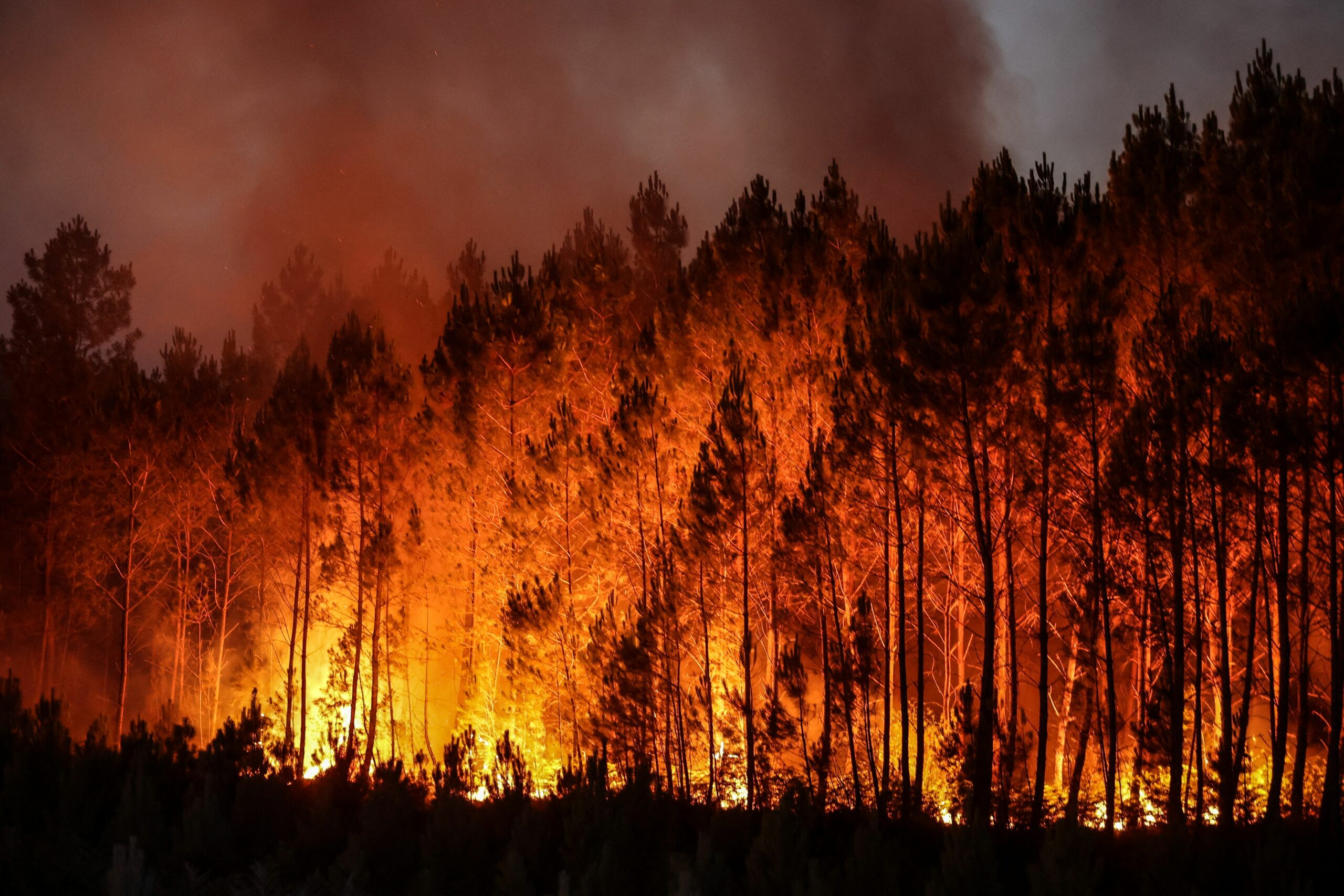
Can I make an AI model that can predict how forest fires will move? I am trying to take data about the environment and a current fire and predict where the fire will go / if it will grow or shrink.
Can I make an AI model that can predict how forest fires will move? I am trying to take data about the environment and a current fire and predict where the fire will go / if it will grow or shrink. Forest fires are burning more and more each year, as evidenced by the record breaking fires in Australia in 2020. The top ten years with the largest annual acreage burnt have all happened since 2004, and forest fires are now causing 7.4 million more acres of tree cover loss per year since 2001. This project would hopefully let firefighters predict where the fire is going to prevent it. The data I used was a graph of where the fire was and other features such as the surrounding wind speed, terrain, plant content, etc, and then the label comes from another graph showing where the fire moved to. I tried several different models, namely a Multi Layer Perceptron (or Neural Net), Logistic Regression and Linear Regression before settling on a CNN that predicts if each square kilometer will have a fire or not. I then was unable to get this to work so I settled on making a model that predicts how dangerous the fire will be. I was eventually able to get it to predict this with 60% accuracy. The major conclusion I had with this problem is that it is very tough but it seems like there is a way to predict where a forest fire will go. I would like to keep researching to see if I can find out how.
Explore More!
Related Projects

© 2022 Inspirit AI. All Rights Reserved.