Back To Projects

Predicting the Performance of Code using Machine Learning

Zachary R.

The goal of this research paper is to see the potential of machine learning to predict the performance of a given program.


The goal of this research paper is to see the potential of machine learning to predict the performance of a given program. Doing this could allow for faster predictions than compiling and properly testing a given program, especially with high compile-time optimization, allowing for faster optimization of a program. To accomplish this, we trained a model consisting of a TreeLSTM and an MLP on a dataset sourced from CodeChef in order to predict the time and memory taken by a given program. After training, we received an average percent error of 22.43% and 1261.07% for time and memory respectively which is fairly poor overall but somewhat fine for the time. As such, this paper concludes that machine learning can potentially be used to accomplish this goal but would likely need a more involved and thought through implementation to work effectively.


Zachary R.
Zachary Gittelman
MS in Information Systems from Cornell; startup co-founder

Related Projects

Path Planning for Autonomous Cinematic Drones

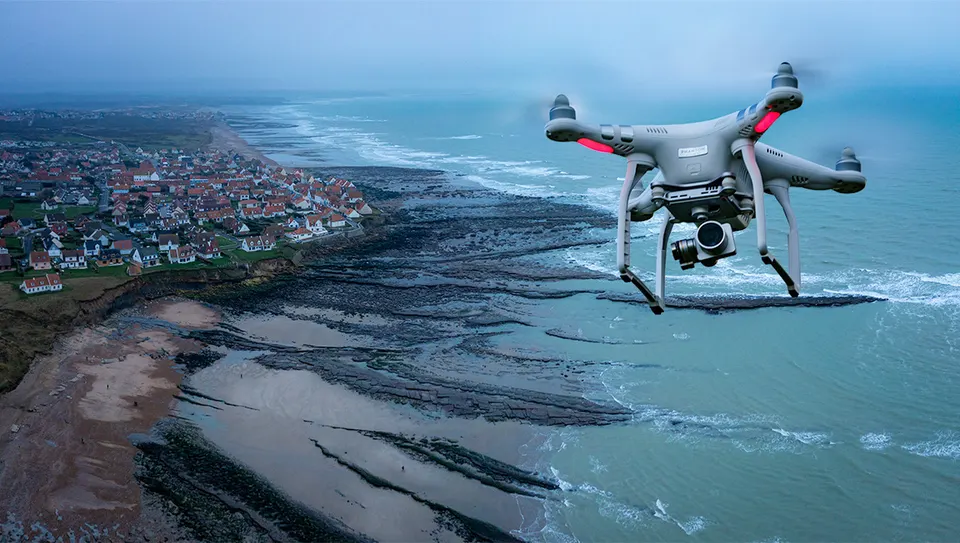
This study explores autonomous drone navigation for aerial cinematography, focusing on algorithms that enable drones to smoothly reach specified locations while maintaining high-definition camera quality. Using a simulation environment, the study tested multiple path planning algorithms and found that A* consistently outperformed others in both accuracy and efficiency, making it the most suitable for enhancing autonomous drone cinematography.
Brayden T.
Mentored by Rima Rebei
Improving User Retention in Video Game Industry

This research paper delves into the intersection of player data analytics and affective computing to predict and adapt game difficulty levels for the purpose of enhancing player retention in the gaming industry.
Ethan V.
Mentored by Anjali Singh
Integrating Pixhawk and Realsense Camera for Rover Autonomy

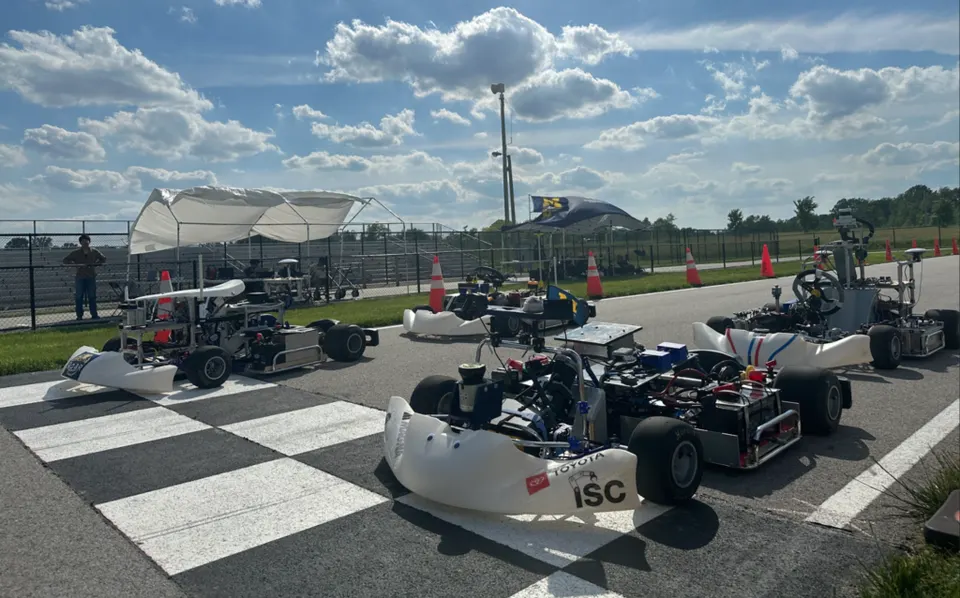
This study presents the design and implementation of a low-cost autonomous go-kart that uses a Pixhawk-4 flight controller and ArduPilot to enable waypoint-based navigation and speed control without human intervention. It also demonstrates how integrating an Intel RealSense depth camera improves safety through MAVLink-based obstacle avoidance, particularly in environments with obstacles.
Nathan K.
Mentored by Samuel Akinwande