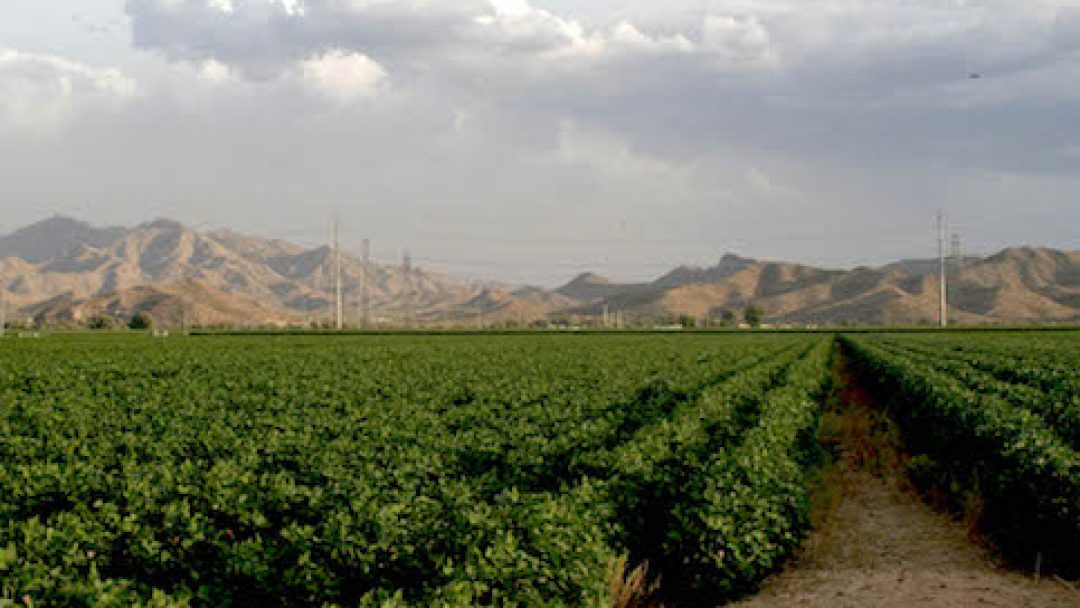
With the current population of Earth massively growing, there is a real risk coming up in the near future of not having enough food to feed the planet. One of the best ways to solve this upcoming problem is to improve the quality of the soil because that will help increase Earth’s overall crop yield in a sustainable way.
With the current population of Earth massively growing, there is a real risk coming up in the near future of not having enough food to feed the planet. One of the best ways to solve this upcoming problem is to improve the quality of the soil because that will help increase Earth’s overall crop yield in a sustainable way. However, figuring out how to improve soil can be a big challenge since there are so many elements and properties of soil to analyze. To help solve this problem we looked into the elements or properties of soil that could have the biggest influence on soils ability to be productive for growing crops. We found online datasets and used unsupervised machine learning by applying both principal component analysis (PCA) and hierarchal clustering on our data. We concluded that calcium, potassium, pH, and soil organic carbon are the elements or properties of soil that have the biggest influence on soil's ability to be productive for growing crops. If these results are accurate, it can massively help many farmers and people in improving their soil quality. This can lead to us taking a big step in the direction of increasing Earth’s overall crop yield.
Explore More!
Related Projects


© 2022 Inspirit AI. All Rights Reserved.