
Machine Learning Approaches to Detect Brain Tumors from Magnetic Resonance Imaging Scans

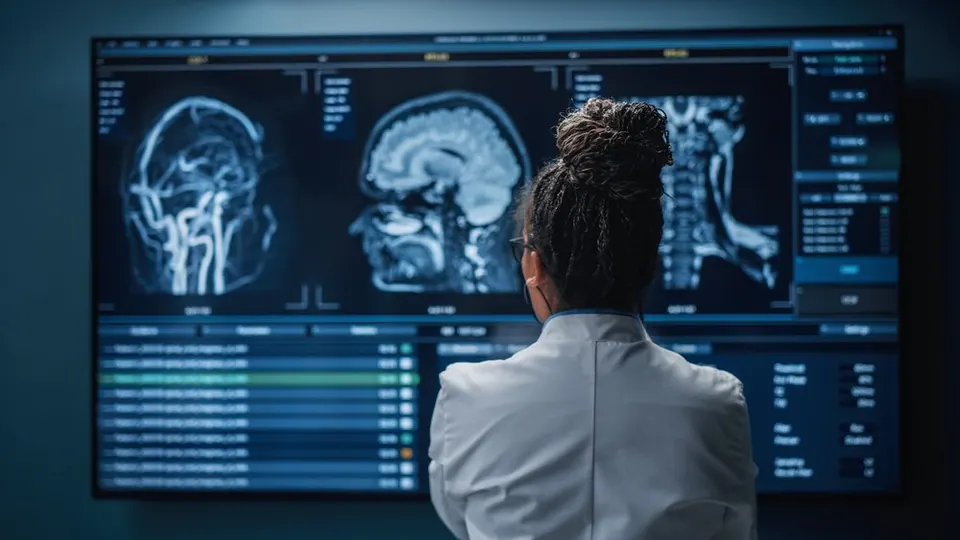
Our study utilized a comprehensive dataset of brain magnetic resonance imaging (MRI) scans to compare and assess the performance of different baseline AI models.
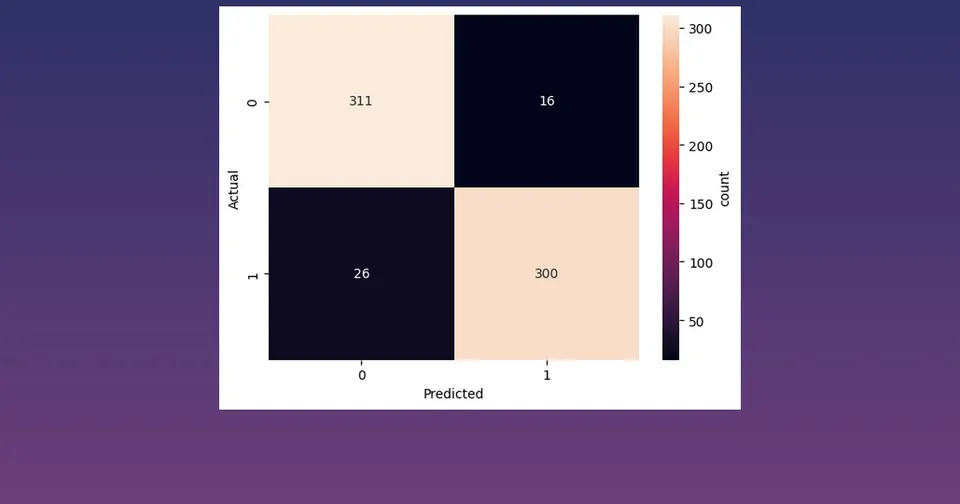
Artificial intelligence (AI) models have brought about a significant transformation in various industries, including healthcare, in recent years. Among the many areas benefiting from AI, brain tumor detection has seen remarkable advancements. Accurate brain tumor detection plays a crucial role in the timely diagnosis and treatment of neurological disorders. Thanks to AI models, the process of detecting brain tumors has become more precise and efficient. In our study, we utilized a comprehensive dataset of brain magnetic resonance imaging (MRI) scans to compare and assess the performance of different baseline AI models. These models included the K-Nearest Neighbors (KNN) Classifier, Logistic Regression, Decision Tree Classifier, and Multi-Layer Perceptron (MLP). Our analysis revealed that the KNN Classifier yielded the highest accuracy at 88.5%, making it the most suitable AI baseline model for brain tumor detection. These findings underscore the potential of AI models in achieving accurate and efficient brain tumor detection, paving the way for further advancements in this technology.
Related Projects





© 2022 Inspirit AI. All Rights Reserved.