
Using Linear Regression to Detect the Binding Efficiency of Ligands for Effective p53-MDM2 Inhibition
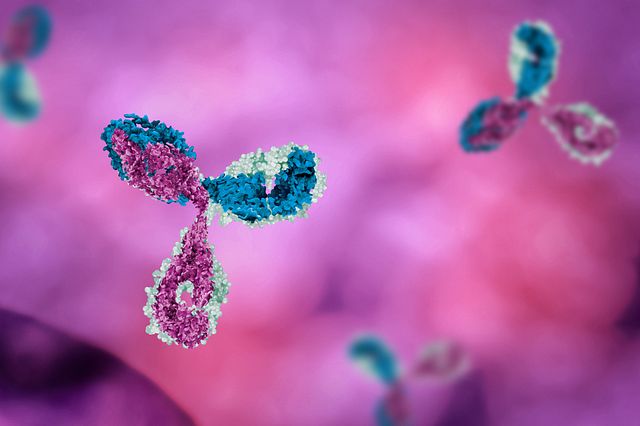
This research project targets the interaction between the MDM2 and p53 proteins to find out the most efficient ligands, or small molecules, that can bind to MDM2 and prevent the inhibition of p53 so as to stimulate the opportunity for p53 to signal for cell repair/death.
Did you know that each day about 100-130 billion potentially cancerous cells undergo cell death? Every day, each person’s body prevents tumors from growing, and it’s all thanks to the p53 protein suppressor. Coded by the TP53 gene, the p53 tumor suppressor protein is responsible for signaling the cell repair and/or cell apoptosis pathway when damaged DNA growth is detected. In over 50% of human cells, the code for the p53 protein is corrupted, reducing its ability to inhibit tumor growth. When tumorous cells are present, there can be an overexpression of the MDM2 protein. The MDM2 protein is a protein that suppresses the activity of p53 making it even harder for controlling the potential development of cancer. This research project targets the interaction between the MDM2 and p53 proteins to find out the most efficient ligands, or small molecules, that can bind to MDM2 and prevent the inhibition of p53 so as to stimulate the opportunity for p53 to signal for cell repair/death. This was accomplished by pre-processing a dataset of known MDM2-p53 inhibition ligands from chEMBL using Numpy/Pandas and adding necessary features into the dataset from rdKit. The processed data was then ran through a Sklearn regression model to accurately predict the efficiency of the ligands or the negative log of their Standard Value (binding efficiency). Overall, the model was able to perform quite well after optimization; however, it would produce even more accurate results if the images consisting of each ligand’s molecular structure could be processed as well since it would allow for a greater variety of features to draw patterns between. For further research, this project will be expanded into predicting new ligands through given features based on the efficiency of known ligands with specific features. This, if accurate, would aid in discovering new ligands for cancer therapy and drug administration.
Explore More!
Related Projects

© 2022 Inspirit AI. All Rights Reserved.