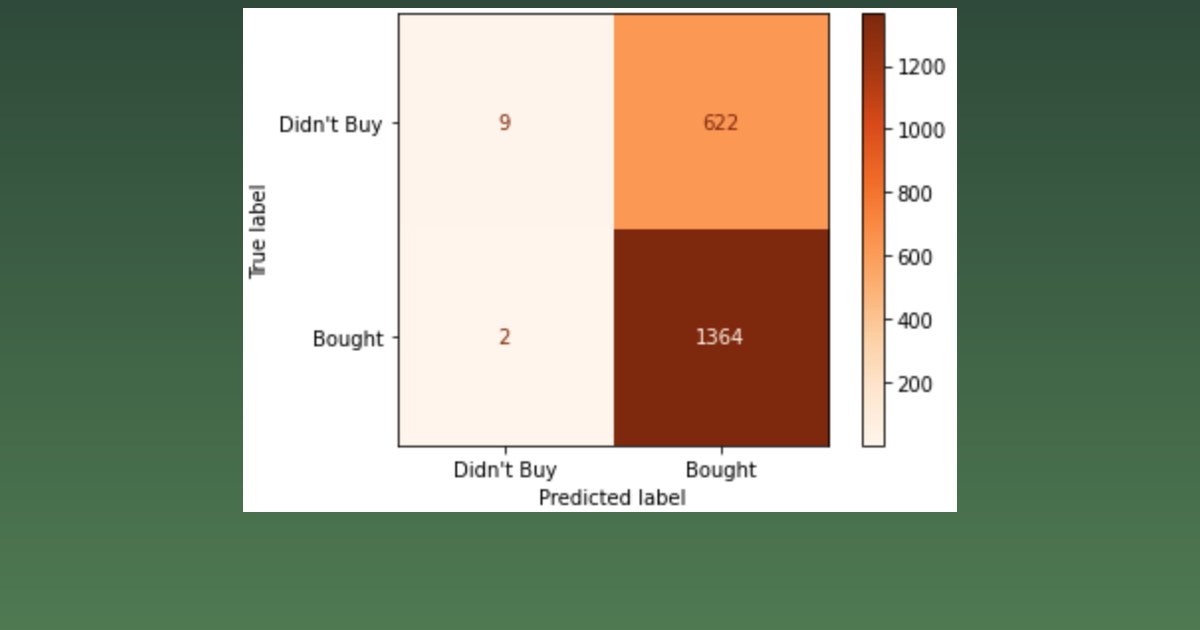
The underlying problem here is identifying more efficient upselling strategies for retailer companies. These findings may potentially help a retail company determine the likelihood of a customer purchasing another item based on their first purchase, and then decide how to upsell based on that information.
As companies move their business online, the e-commerce space continues to develop as a rapidly growing industry. Marketing and upselling are crucial aspects of profitability. Therefore the objective of this investigation is to determine how the price, along with other features, of items sold on Amazon affect the likelihood of a customer making a repeat purchase. The underlying problem here is identifying more efficient upselling strategies for retailer companies. These findings may potentially help a retail company determine the likelihood of a customer purchasing another item based on their first purchase, and then decide how to upsell based on that information. Customer behavior and motivation is a crucial aspect of repeat purchases and original purchases in general, this notion has to be understood before attempting to answer the question. Identifying which features held the most weight in predicting repeat purchases was also a crucial aspect in determining if customers will buy again. In general it could be deduced that price, product brand, and product rating carry a great deal of weight when it comes to customer’s making repeat purchases.
Explore More!
Related Projects


© 2022 Inspirit AI. All Rights Reserved.