
Comparing Machine Learning Models to Determine Which is Most Effective at Detecting Brain Tumors
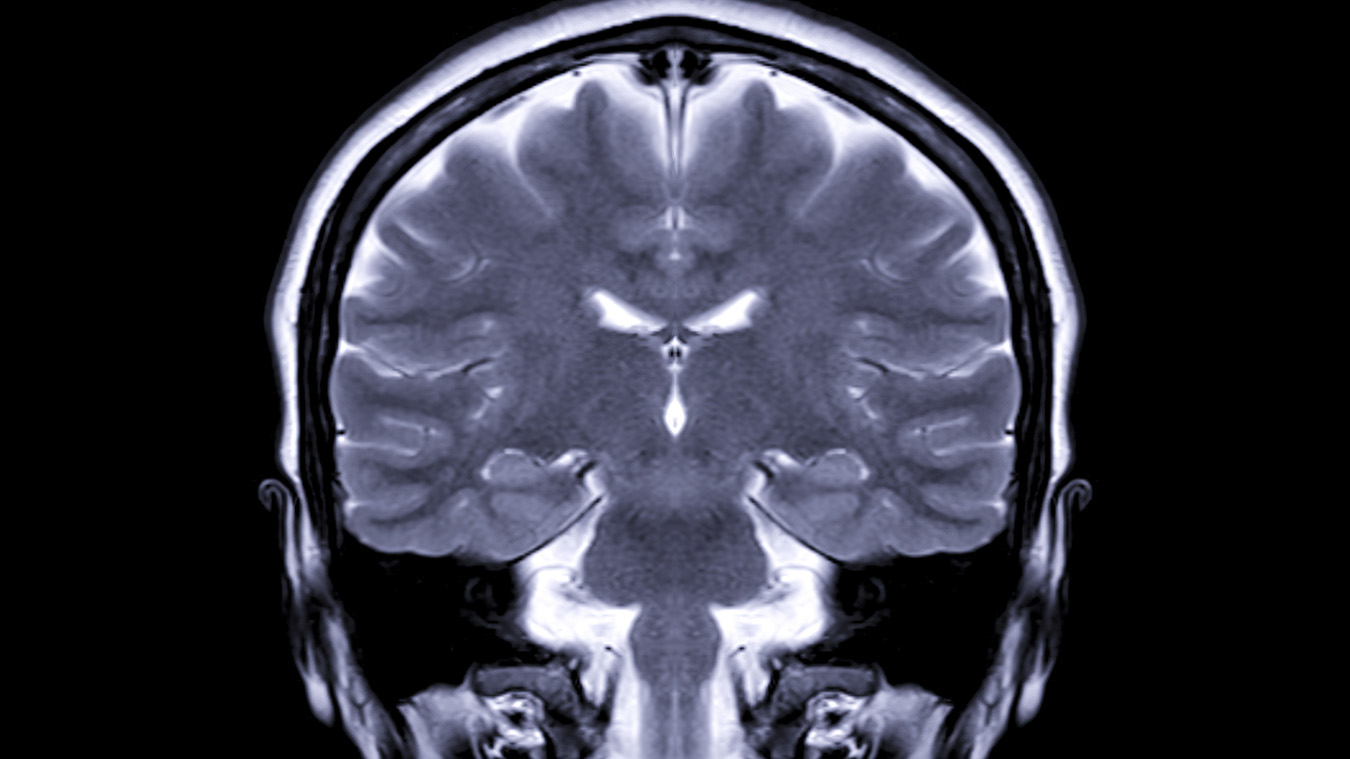
By using machine learning techniques to analyze various brain tumor scans, the goal was to determine which techniques are the most efficient and accurate in determining the presence of brain tumors.
In this project, by using machine learning techniques to analyze various brain tumor scans, the goal was to determine which techniques are the most efficient and accurate in determining the presence of brain tumors. Specifically, the goal was to adequately process a dataset to determine if brain tumors can be detected with more than 75% accuracy using machine learning. The chosen dataset includes just over 250 axial MRI brain scans, thus providing a sufficient dataset to properly analyze. This research is most applicable to the healthcare field, specifically relating to the work done by neurologists and radiologists. If the most efficient and accurate way to detect brain tumors is not determined soon, individuals may have to continue waiting longer than necessary for their results. In this project, K-Nearest Neighbors, Decision Trees, and Muti-Layer Perceptron Models were compared to determine which machine learning algorithm is most effective at determining the presence of a brain tumor in an axial brain scan.
Related Projects

© 2022 Inspirit AI. All Rights Reserved.