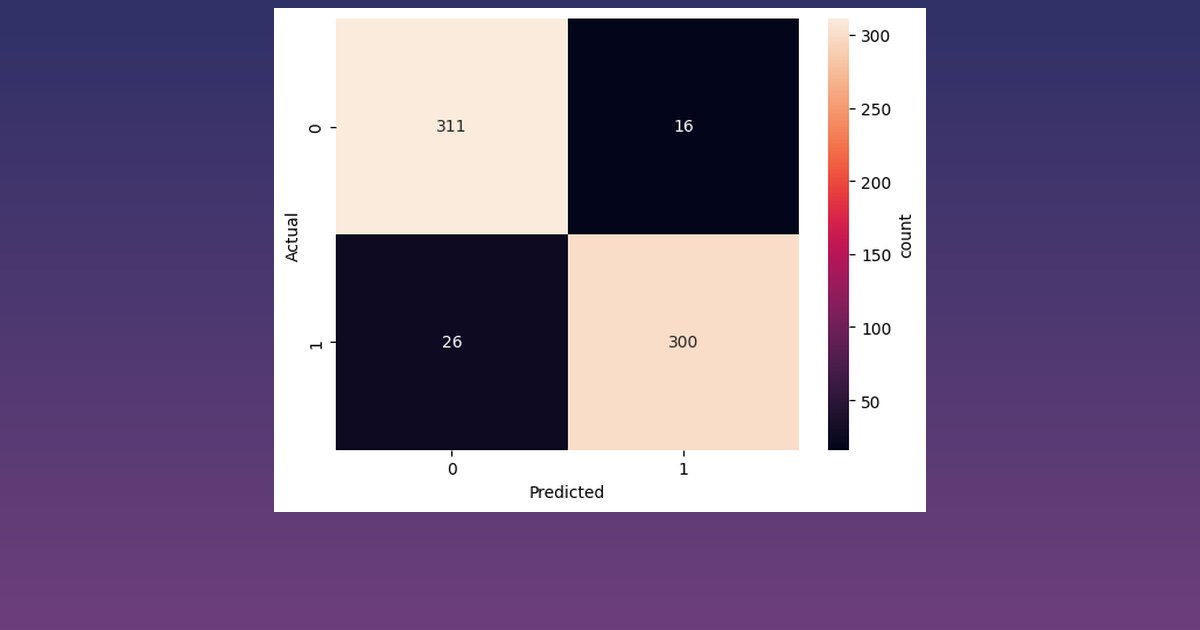
This research explores the use of machine learning models, particularly logistic regression, on patients' spiral and wave drawings as an accessible and cost-effective method to improve Parkinson's disease diagnosis, achieving an accuracy of 91%, precision of 92%, and recall of 89%.
Parkinson’s is a neurodegenerative disease that causes uncontrolled movements such as tremors or stiffness. Currently, there is no specific clinical test that can test for Parkinsons, therefore many cases go undiagnosed. Patients that do get diagnosed often must go through a lengthy and expensive process of a series of examinations and consultations with specialists. In this paper, we present a few machine learning models, including logistic regression, K-Nearest Neighbors, Decision Trees, Convolutional Neural Networks, and Transfer Learning, as a potential way to detect Parkinson’s through patients’ drawings of spirals and waves. We decided to use patients’ drawings, as this data is much more accessible and inexpensive to obtain in comparison to imaging or lab results. Coupling this data with machine learning models could therefore serve to increase Parkinson’s diagnoses, particularly in developing countries, and ultimately help patients receive better treatment options. Our results show that the logistic regression classifier performed the best, with an accuracy of 91%, precision score of 92%, and recall score of 89%. These results show that machine learning and spiral and wave drawings can be used as a viable tool for furthering Parkinson’s diagnosis.
Explore More!
Related Projects


© 2022 Inspirit AI. All Rights Reserved.