
Adapting Martian Rover Technology for Terrestrial Disaster Response and Extreme Terrains
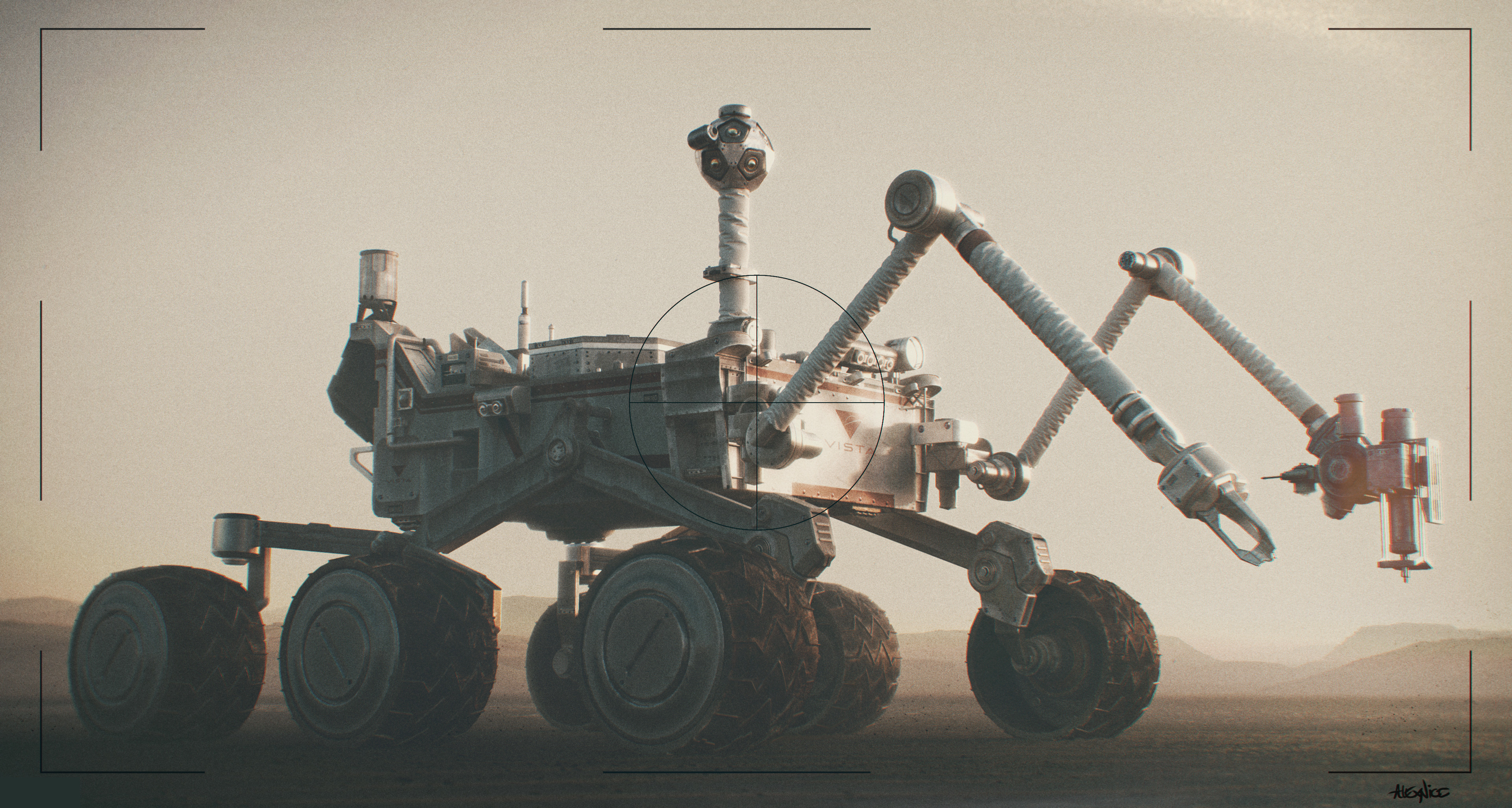
This research examines how technological advances in Martian rovers, from autonomous navigation to adaptive suspension systems, can inform solutions for disaster response and operation in inaccessible regions on Earth. A 3D-printed rover prototype and global disaster data were used to evaluate the potential of ground-based rovers to complement aerial systems in challenging environments.
Rovers have transformed planetary exploration by enabling autonomous, intelligent operation on alien terrains. From the Soviet Lunokhod 1 to NASA’s Perseverance, rover technology has evolved to include advanced mobility systems, AI-driven navigation, autonomous decision-making, and onboard scientific instruments. This paper examines how these innovations, originally developed for Mars, can be adapted to solve real-world challenges on Earth, particularly in disaster-prone and inaccessible regions. We designed and 3D-printed a rover prototype, informed by Martian mobility principles, and analyzed its potential for navigating extreme terrain. Using global disaster datasets and a review of current aerial and terrestrial solutions, we evaluated rover applicability to scenarios such as floods, landslides, wildfires, and harsh geographical regions. Our results indicate that ground-based rovers, leveraging autonomous navigation and robust suspension systems, could complement drones and helicopters to improve disaster response and accessibility. Future work will explore multi-agent coordination, hybrid aerial-ground systems, and adaptive AI algorithms to enhance rover efficiency and resilience in complex Earth environments.
Explore More!
Related Projects

© 2022 Inspirit AI. All Rights Reserved.