
Computational Approaches to Enhance Idiopathic Intracranial Hypertension Diagnosis: A Neural Network-Based Framework for Improved Clinical Decision Support
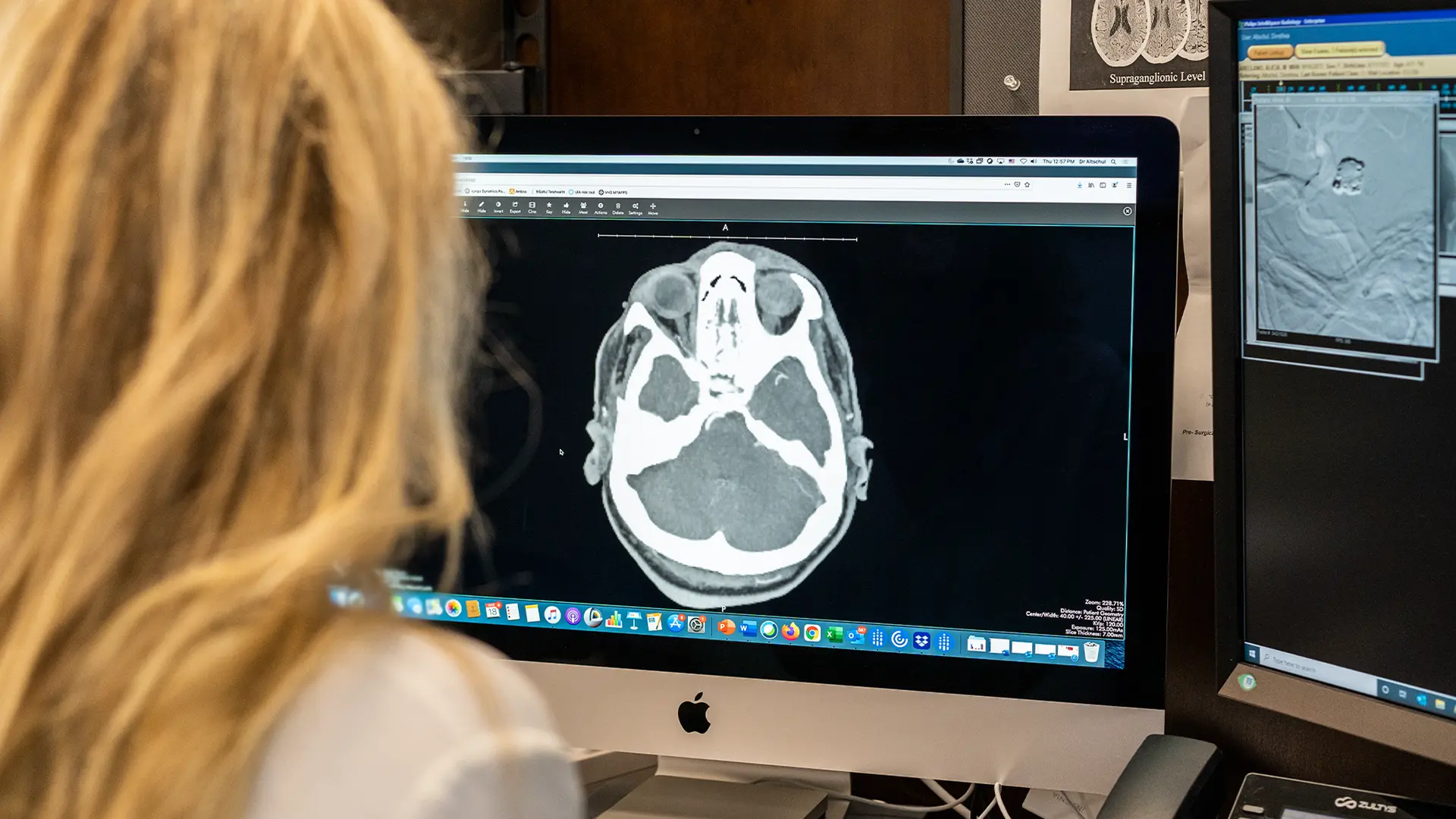
A computer model, trained on eye images, can tell if optic nerves are healthy or not with 97% accuracy. This is important because it messes up less often than people do, making it a useful tool. The model looks at pictures of the back of the eye (fundus imaging) to make these predictions.
Idiopathic Intracranial Hypertension (IIH) is a condition that needs experts to confirm the diagnosis correctly. It's a long-lasting problem where the pressure inside your head is too high, and if left untreated, it can harm your optic nerve permanently and become tougher to handle. Making a reliable way to diagnose IIH is crucial. This helps to reduce mistakes made by people and makes treating the disorder easier. IIH is chronic, meaning it lasts a long time. If it's not treated, it can cause damage to the optic nerve, which is essential for vision. The longer it goes untreated, the harder it becomes to treat. This makes finding an accurate way to diagnose IIH early on very important. A computer model, trained on eye images, can tell if optic nerves are healthy or not with 97% accuracy. This is important because it messes up less often than people do, making it a useful tool. The model looks at pictures of the back of the eye (fundus imaging) to make these predictions. Reducing the number of misdiagnoses is a big deal. With a higher accuracy of diagnosing IIH, we won't need experts to approve as much, and we can be better at planning how to treat it. This can lead to more efficient and effective treatment plans for individuals dealing with IIH.
Explore More!
Related Projects

© 2022 Inspirit AI. All Rights Reserved.