Back To Projects

How Does One’s Background Determine Their Mental State?

Sohum T.

Mental health issues have become very prevalent in recent times, and although significant progress has been made in terms of treatment in the form of counseling, medication, and other methods, in order to truly find out the root cause of many mental health issues, a correlation has to be drawn between one’s mental state and another factor, such as family history, age, work environment, etc. It is also beneficial to correlate one’s mental state with a multitude of factors to see the compilation.


Is there a correlation between one’s mental health status and one’s Age, Family History, Workplace Environment, or other aspects about one’s life? This paper answers this question by using responses to a survey that over 1000 people took. The participants of this survey were of diverse backgrounds and had varying answers. Models such as Logistic Regression, the Decision Tree Classifier, and the SVC model were used to produce correlations. The results indicate that there is a positive correlation between one’s family history of mental health and one’s current mental state, and that there is a negative correlation between one’s work interference and one’s current mental state, among others.

Explore More!

Sohum T.
Akshay Jagadeesh
Computational Neuroscience PhD from Stanford

Related Projects

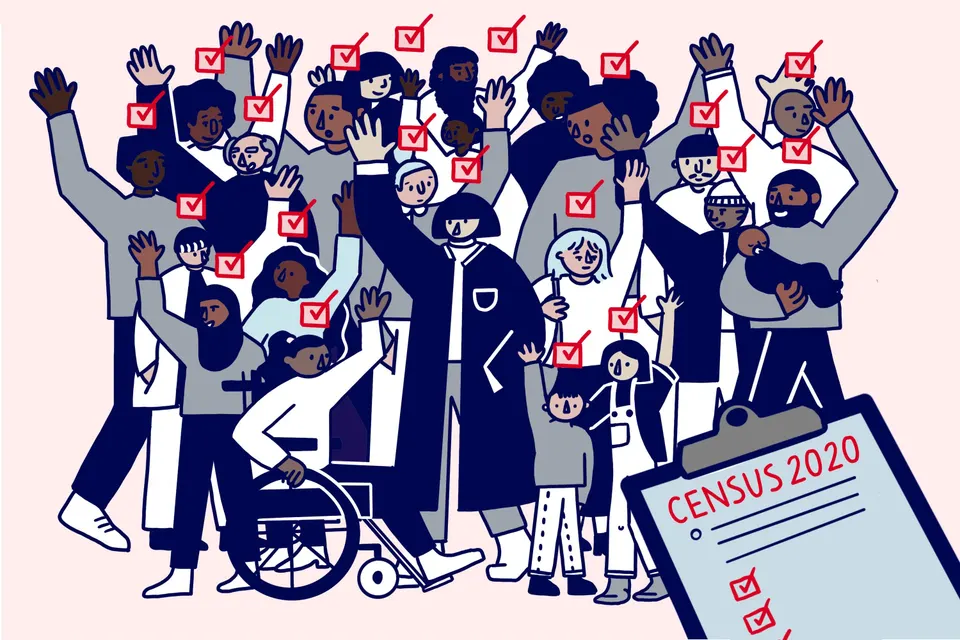
Exposing Undercounts in the Census through Regression Modelling

Although many community leaders have proposed that language barriers pose significant obstacles to Census outreach, this paper explores the viability of using predictive models to quantify the extent the role language plays.
Tarun S.
Mentored by Katie O'Nell
workspace_premium
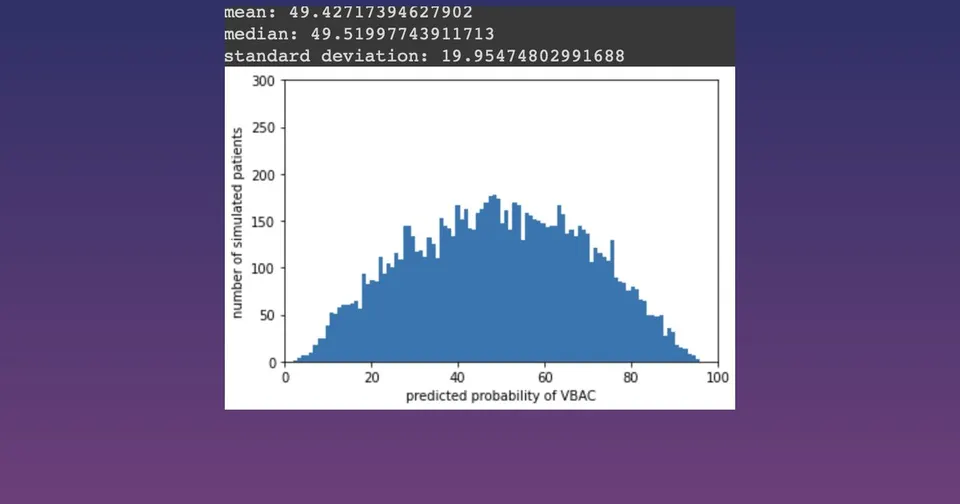
Differences in predicted rates of vaginal births after cesarean across racial groups in a ‘race-neutral’ model

A large body of work in machine learning has highlighted that supposedly de-biased systems often re-code sensitive variables like race in terms of proxy variables. In order to determine if this was the case in this calculator, we replicated their formula, then found base-rate statistics of all the input variables for three different racial groups: Black, White, and Asian.
Anjali S.
Mentored by Katie O'Nell
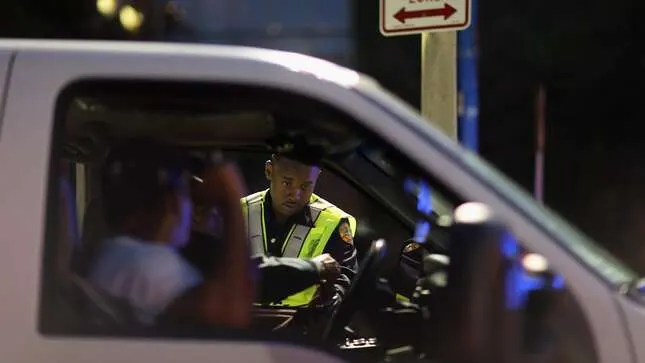
Facial Intoxication Detector with AI

The purpose of this study is to analyze whether Artificial Intelligence can be used to more effectively detect and prevent drunk driving and if a Machine Learning models like Logistic Regression and Decision Tree can be more accurate than a human police officer.
Rayyaan O.
Mentored by Linda Banh