
Predictive Analysis of Aircraft Engine Lifespan: Leveraging Neural Networks on NASA's C-MAPSS Dataset

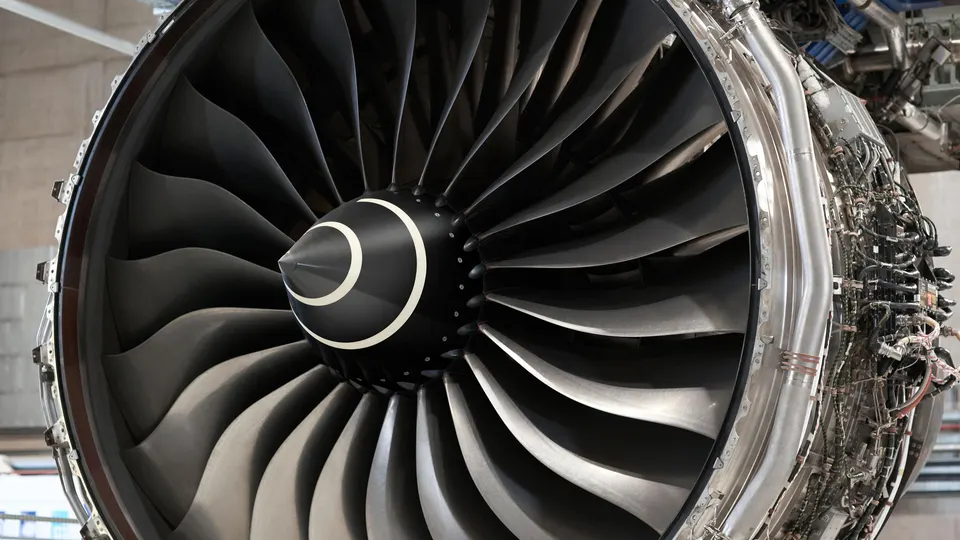
This research paper explores the application of neural networks for predictive maintenance of aircraft engines, focusing on the estimation of their Remaining Useful Life (RUL).
This research paper explores the application of neural networks for predictive maintenance of aircraft engines, focusing on the estimation of their Remaining Useful Life (RUL). Using the NASA C-MAPSS dataset, a rich resource in predictive maintenance, the study explores the effectiveness of linear regression and neural network models in forecasting engine RUL. The motivation behind this project was to enhance aircraft safety, extend engine lifespan, and optimize maintenance schedules, thereby reducing operational costs. The initial phase involved linear regression to establish a baseline understanding, followed by the development and iterative enhancement of a neural network model. The results indicated satisfactory performance on the initial dataset, such that it performed with little loss, but revealed challenges in generalizing across different datasets, such that it performed with exceedingly more loss compared to the first dataset, pointing towards the need for more adaptive modeling and feature engineering strategies.
Explore More!


Related Projects







© 2022 Inspirit AI. All Rights Reserved.