
Predicting Climate Change Using an Autoregressive Long Short-Term Memory Model
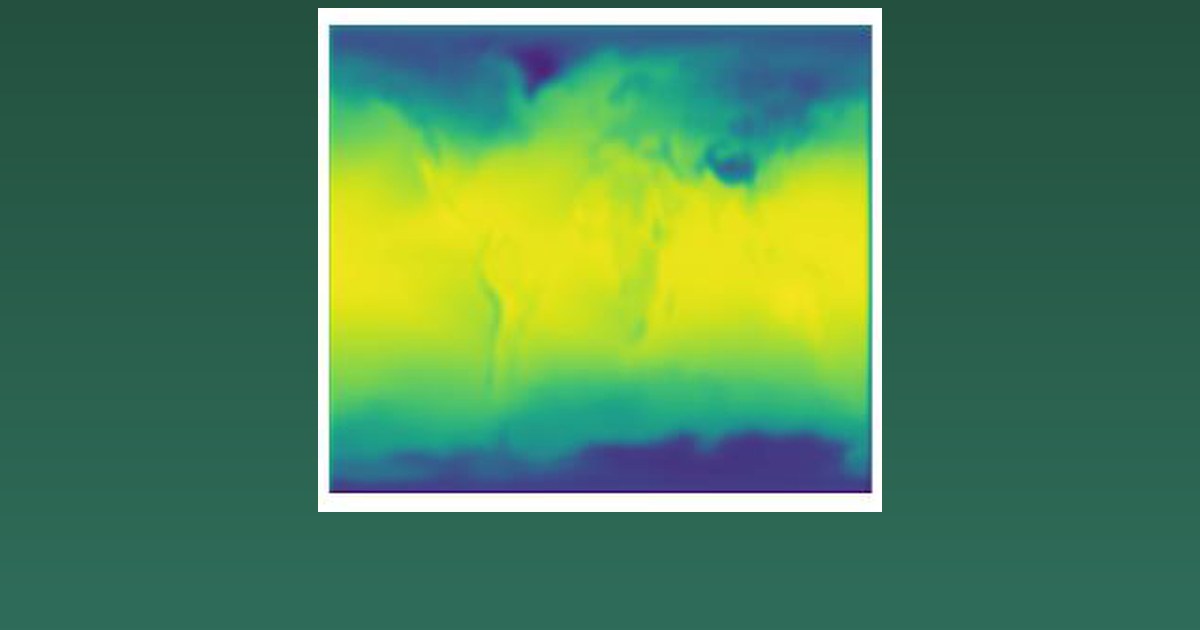
This study aims to create a baseline machine learning model that utilizes an Autoregressive Recurrent Neural network with a Long Short term memory implementation for the purpose of predicting climate.
Climate change is an issue that has and will affect humanity throughout the time that we are on Earth. Due to this fact, scientists have created numerous methods of modelling the climate, with mathematical models being used most widely. However, due to some limitations that these models hold, researchers have turned to utilize machine learning models to predict the future climate. This is because AI has a reputation for being able to handle complex data and recognize patterns that humans previously could not have. This study aims to create a baseline machine learning model that utilizes an Autoregressive Recurrent Neural network with a Long Short term memory implementation for the purpose of predicting climate. This type of model architecture has been utilized for other applications that relate to time series data, yet it has yet to be attempted to be used in the context of climate predictions. The data that was utilized was retrieved from the ensemble mean version of the ERA5 dataset. The model created from this study was able to predict the general trends of Earth(i.e, the poles are cold, and the equator region is warm) for both when predicting the climate and when it was predicting weather. When predicting the climate, the model was able to have fair accuracy for a long period of time, with the ability to predict seasonal patterns. This feat is one that other researchers were not able to do with the complex reanalysis data that this study has utilized. This work demonstrated that this type of model can be utilized in a climate forecasting approach as a viable alternative to mathematical models and can be utilized to supplement current work that is mostly successful in short term predictions.
Explore More!

Related Projects

© 2022 Inspirit AI. All Rights Reserved.