
Back To Projects
Predicting Mental Health Conditions Using Student Demographic Information

Ashwith Y.

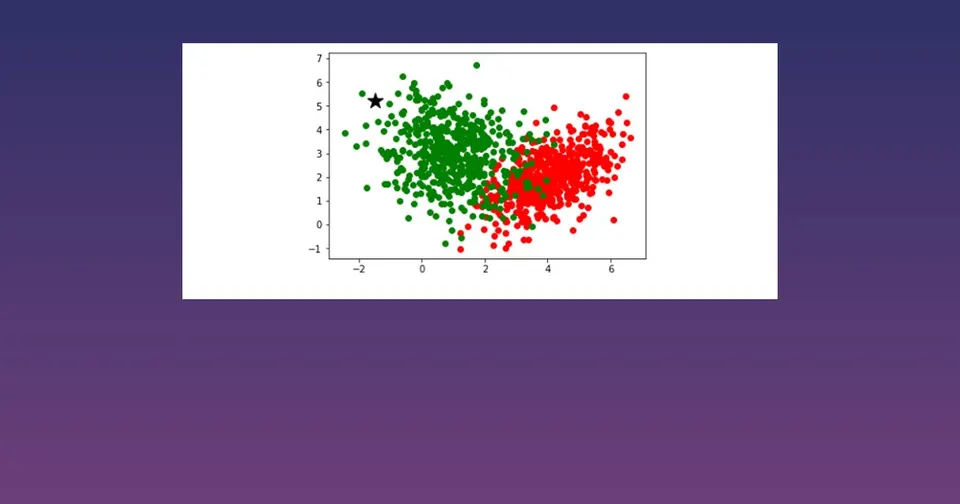
With this, we will train the data to extrapolate what symptoms the user has based on their demographics and academic/social life. This can help understand what symptoms a person has of certain characteristics.
We are working with supervised data and this is classification data. With this, we will train the data to extrapolate what symptoms the user has based on their demographics and academic/social life. This can help understand what symptoms a person has of certain characteristics. Age, gender, course year, course study, cgpa, and marital status are the inputs of the data. Whether the person is more prone to depression, anxiety, or panic attacks is the output of the model.
Explore More!
Ashwith Y.
Related Projects
Skin Cancer Detection
The goal of this research project is to predict whether or not a patient has skin cancer through a machine learning model that is developed from an image dataset. Skin cancer is extremely dangerous, as over 9500 people in the US are diagnosed with it daily. If detected early, patients will have a more likely chance of survival. I tested an MLP Classifier, Decision Tree Regressor, a Logistic Regression Model, and a KNN Model to compare various results and ultimately determine the best accuracy. The MLP Classifier had a 74.5% accuracy, the Decision Tree Regressor had a 74.1% accuracy, the Logistic Regression Model had a 68.8% accuracy, and the KNN Model had a 74.6% accuracy (all testing). We can see that the MLP Classifier, Decision Tree Regressor, and the KNN Model had around the same accuracy while outperforming the Logistic Regression Model. However, when comparing training data, there seems to be a large overfitting problem with most of the models.
Jaida G.
Mentored by Odysseas Drosis

Predicting the Presence of Autism Spectrum Disorder Based on Eye-Tracking Scan Path Images
This research explores using eye-tracking data and machine learning to predict Autism Spectrum Disorder (ASD), achieving 74.6% accuracy with logistic regression, highlighting eye-tracking's potential for early, non-invasive ASD diagnosis and its applicability to other neurological conditions.

Sara C.
Mentored by Emily Broadhurst
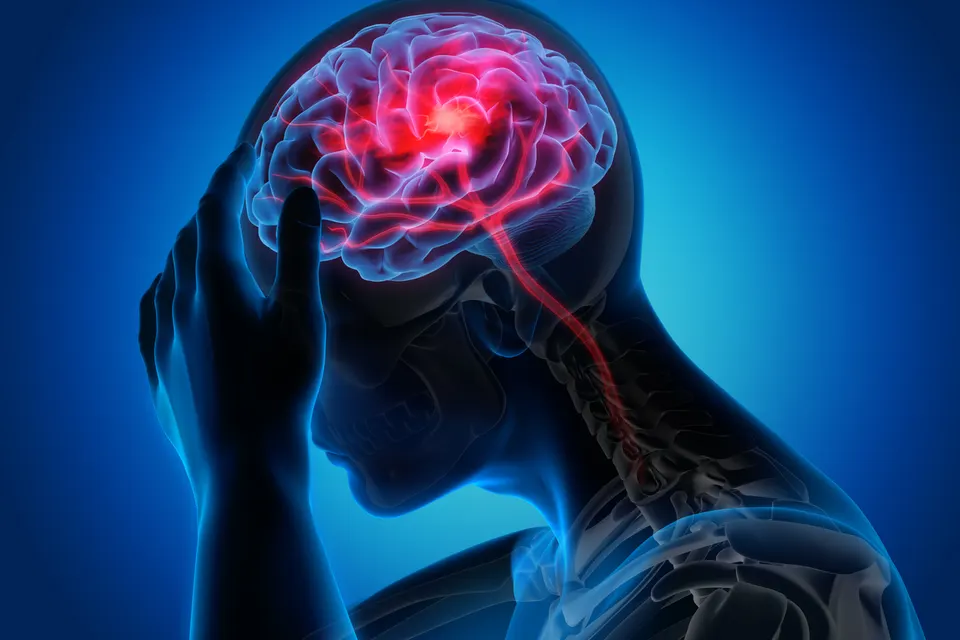
Stroke Susceptibility Prediction Using Artificial Neural Networks
Our research question is centered around predicting stroke susceptibility and determining which demographic and medical factors significantly increase or decrease that risk. Our results indicate the potentiality of the use of AI in determining stroke risk based solely on collected medical and lifestyle data.
Vinati P.
Mentored by Samuel Kwong

© 2022 Inspirit AI. All Rights Reserved.