
Machine Learning Algorithms for Consumer Plastics Identification and Sorting
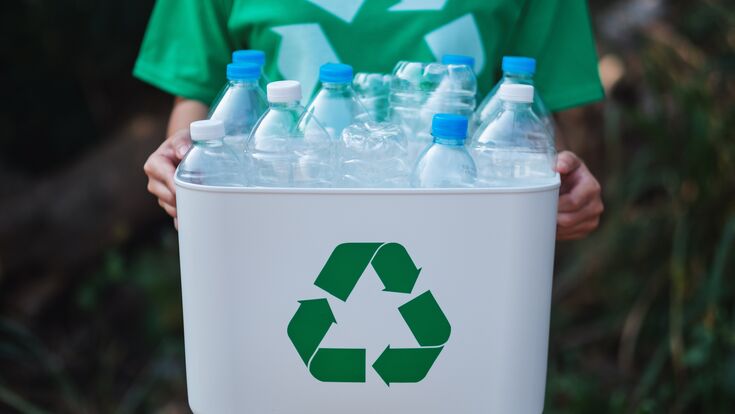
Seeking a solution to maintain plastic recycling costs while increasing the output of reusable material, this paper poses the question “what type of machine learning algorithm is most suitable for a plastic identification system in consumers’ homes?” It investigates five total machine learning algorithms to determine which one best balances accuracy, management of resources, and time efficiency, ultimately arriving at the conclusion that a Support Vector Machine that uses a Polynomial Kernel is the best algorithm and serves to demonstrate that algorithms such as the ones analyzed have become advanced enough for more efficient, AI driven systems to replace those of the status quo.
Seeking a solution to maintain plastic recycling costs while increasing the output of reusable material, this paper poses the question “what type of machine learning algorithm is most suitable for a plastic identification system in consumers’ homes?” It investigates five total machine learning algorithms to determine which one best balances accuracy, management of resources, and time efficiency, ultimately arriving at the conclusion that a Support Vector Machine that uses a Polynomial Kernel is the best algorithm and serves to demonstrate that algorithms such as the ones analyzed have become advanced enough for more efficient, AI driven systems to replace those of the status quo.
Explore More!
Related Projects

© 2022 Inspirit AI. All Rights Reserved.