
Modeling The Impact of Electric Vehicle Adoption on NO2 Levels Using Machine Learning: A Predictive Analysis
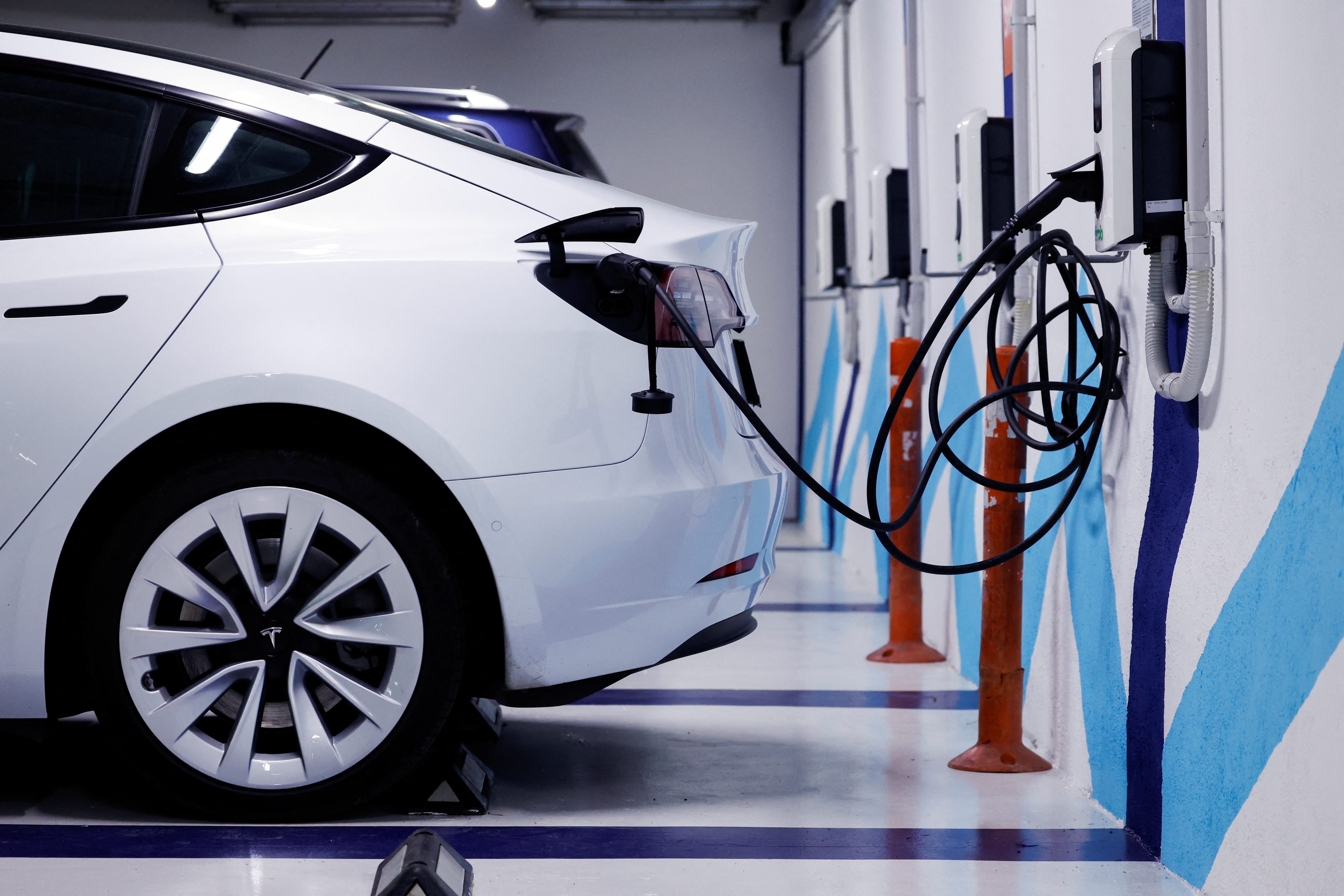
Air pollution, notably nitrogen dioxide (NO2), poses severe health and environmental risks. The research question explores whether increasing EVs adoption can visibly reduce NO2 levels.
Air pollution, notably nitrogen dioxide (NO2), poses severe health and environmental risks. The main sources of NO2 are related to transportation and stationary fuel combustion sources [U.S Environmental Protection Agency (EPA), 2018]. With a global shift to electric vehicles (EVs), their potential to mitigate pollution is becoming prominent. In India, where air quality concerns are paramount, understanding the tangible benefits of EV adoption is crucial. The research question explores whether increasing EVs adoption can visibly reduce NO2 levels. The approach combines use of various supervised machine learning models and simulations to understand the impact of socio-economic factors, adoption of electric vehicles, energy generations and emission factors on the NO2 levels and to create a model to predict the level of NO2. The created model will be used to estimate the impact different EV adoption levels can have on NO2. To train the model, data from 49 US states along with 5 Indian states where EV sales are comparable and the NO2 data was available has been used. Among diverse algorithms tested, the Neural Network turns out to be the best which predicts NO2 levels with a R2 value of 0.82. Simulations, varying EV numbers while holding other factors steady, demonstrated a clear link between higher EV count and lower NO2 levels. The results not only validate the potential of electric vehicles as catalysts for improving air quality but also highlight their crucial role within the Indian context, especially in the state of Delhi which we have used as our case study. The empirical evidence underscores the pivotal contribution that EVs could make to enhancing Delhi’s air quality profile. In conclusion, the research provides substantial evidence that the widespread adoption of electric vehicles holds promise as an effective strategy to reduce NO2 levels, thereby laying the foundation for a more sustainable and healthier urban environment.
Explore More!
Related Projects

© 2022 Inspirit AI. All Rights Reserved.