
AI-Based Image Classification Used to Accurately Distinguish Recyclable Material Versus Non-Recyclable Material
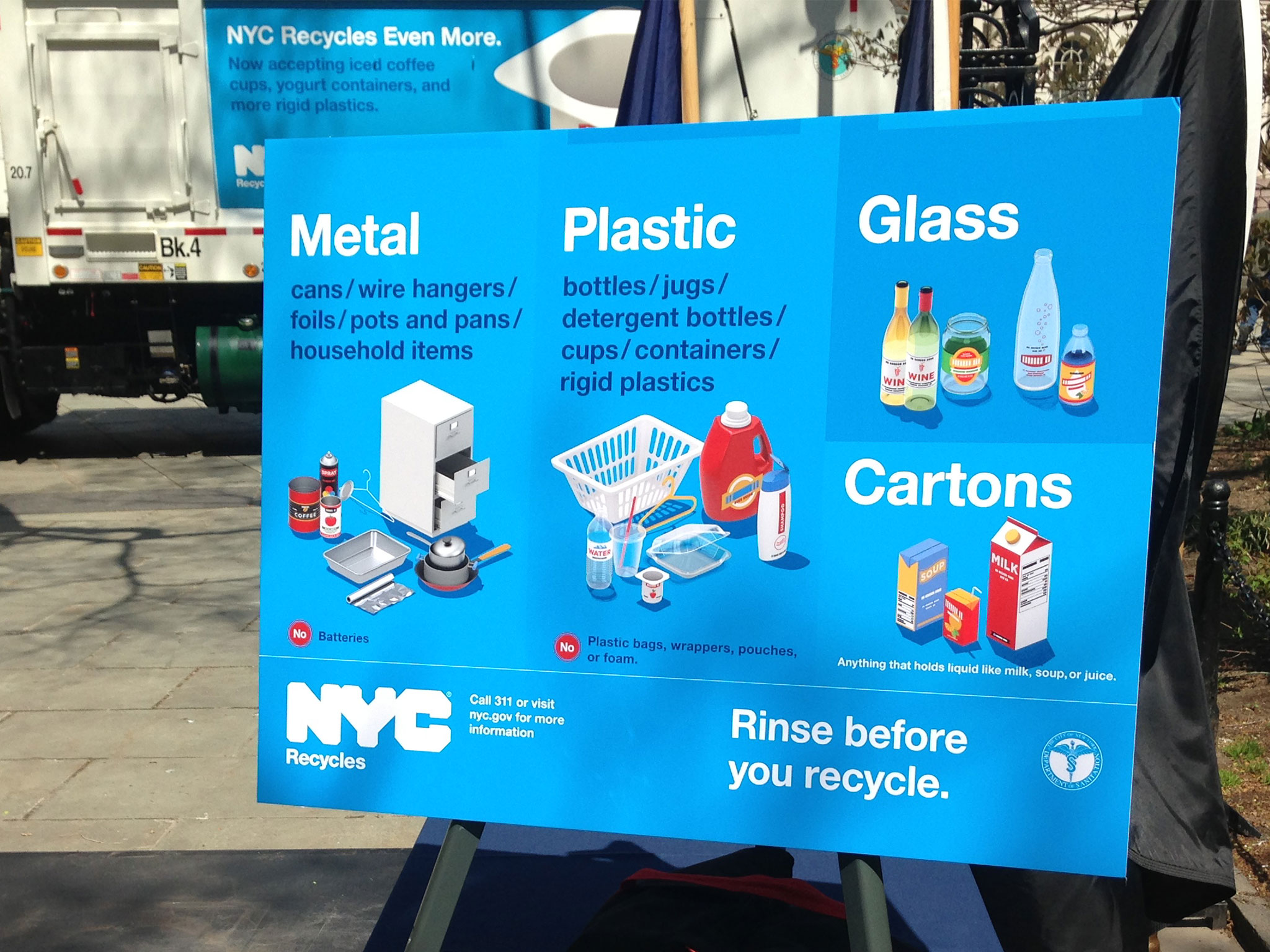
One cause of this improper disposal of materials is that it can be difficult to tell if a material is able to be recycled. In response, I created a machine learning model that can distinguish recyclable materials from trash through image classification.
In today’s world, pollution is increasing as plastics and other materials are not recycled properly, resulting in landfills. One cause of this improper disposal of materials is that it can be difficult to tell if a material is able to be recycled. In response, I created a machine learning model that can distinguish recyclable materials from trash through image classification. For my model, I used a dataset called trash-net. I first extracted the contents of the data and resized the dataset in order to have better organization. There are six categories within the dataset: cardboard, glass, metal, paper, plastic, and trash, that the images are organized in. I used resnet34 which is a pre-trained convolutional neural network (CNN) in order to perform the image classification. Afterwards, I trained my model by running the program repeatedly and then tested it by seeing if it accurately predicted if a material was recyclable or not. Lastly, I used matplotlib to visualize the results. The accuracy of the model ended up being about 88%. Generally, if the accuracy of a machine-learning model is higher than 50% then it performs relatively well. With more training and a greater number of images, the program could potentially increase in accuracy. In conclusion, I think my model would help as it could generally classify if a material was recyclable or not. However, an application in which the user directly scans an item would be more useful. Nevertheless, my model performed well and enabled me to learn more about the use of artificial intelligence.
Explore More!
Related Projects

© 2022 Inspirit AI. All Rights Reserved.