
Diagnosing Hypertrophic Cardiomyopathy Using Machine Learning Models on CMRs and EKGs of the Heart

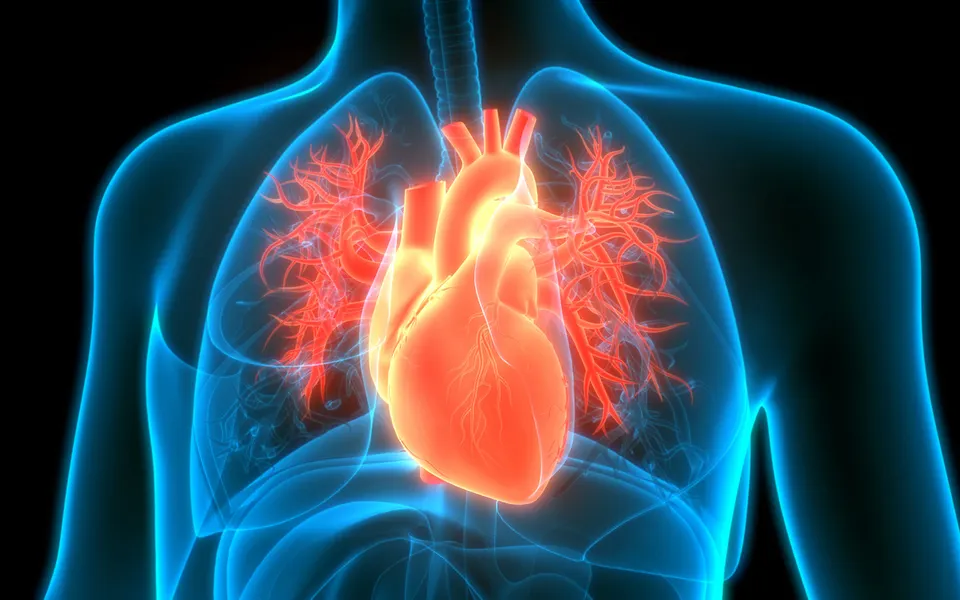
In this project, we presented a pair of models, one CNN model and one Long Short Term Memory (LSTM) model, that are capable of classifying cardiac magnetic resonance (CMR) and heart electrocardiogram (EKG) scans, respectively.
Hypertrophic cardiomyopathy (HCM) is a common inherited heart disorder manifesting as hypertrophy of the left ventricle of the heart. However, it often goes undiagnosed, which we must seek to avoid since the possibility of sudden cardiac death (SCD) as a result of HCM is not insignificant. In this project, we presented a pair of models, one CNN model and one Long Short Term Memory (LSTM) model, that are capable of classifying cardiac magnetic resonance (CMR) and heart electrocardiogram (EKG) scans, respectively. We hypothesized that machine learning techniques applied to CMR and EKG data can predict HCM with a high degree of accuracy, precision, recall, and F1 Score. Each of these models classifies their respective scans into HCM and non-HCM categories. The CNN model has an accuracy of 94.71%, a precision of 96.97%, a recall of 91.21%, and an F1 score of 94.85%. The LSTM model has an accuracy of 90.51%, a precision of 60.31%, a recall of 60.08%, and an F1 score of 60.19%. These results show that these machine learning models are viable tools that could assist physicians in the diagnosis of HCM patients.
Explore More!



Related Projects






© 2022 Inspirit AI. All Rights Reserved.