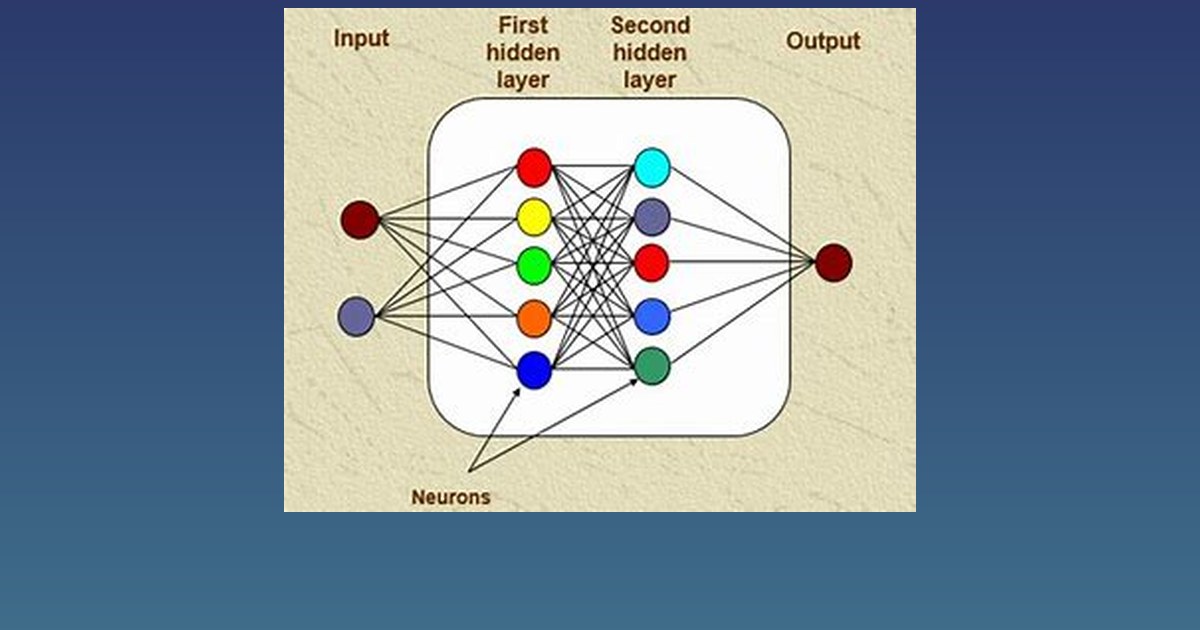
This research aims to develop a machine learning program that verifies the correctness of integral equalities by leveraging a language processing approach, achieving 40-60% accuracy across different classifiers and datasets, unlike traditional mathematical software that only evaluates one-sided equations.
The goal of this research project is to develop a machine learning program which can take an integral equality (for example, a u-substitution that turns one integral into another) and verify that it is correct. Many other mathematics-related software can only take in a one-sided equation and return a calculated output, but most mathematical proofs are built on relating several successive pieces of logic. For this problem, a language processing approach was taken to convert the integral equations into something that could be understood by a language processing model. From there, several different classifiers were tested, each one returning about a 40-60% accuracy depending on the dataset that was input.
Explore More!
Related Projects


© 2022 Inspirit AI. All Rights Reserved.