
Structure-Based Analysis of Parkinson’s Disease Protein Mutations: Comparative Analysis of Computational and Experimental SNCA Structures
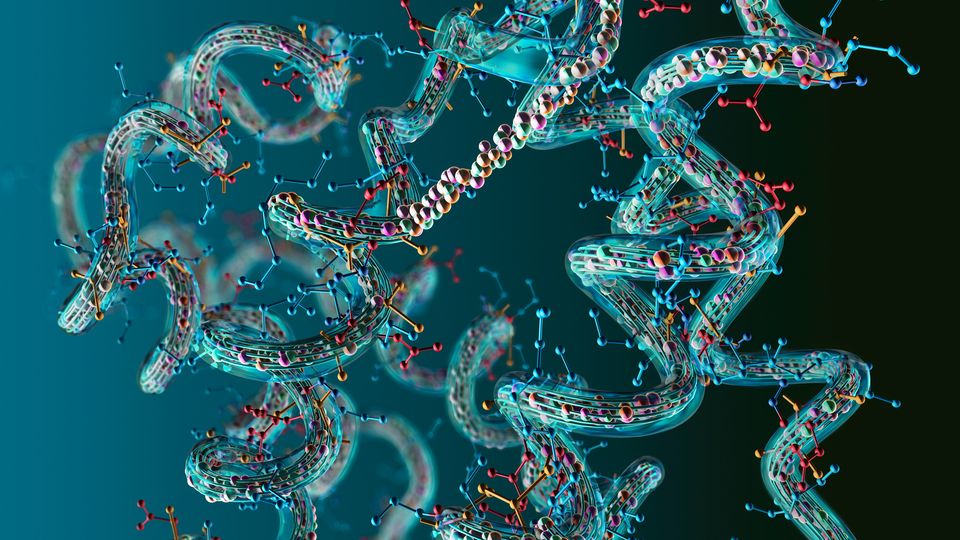
This study uses AI-based protein modeling tools such as AlphaFold and ColabFold to compare wild-type and mutant α-synuclein structures in Parkinson’s disease, evaluating their interactions with pharmacologically relevant ligands. By integrating structure prediction with molecular docking, the research highlights both the potential and limitations of computational methods for understanding mutation-specific effects and guiding drug discovery efforts.
Parkinson’s disease (PD) is a progressive neurodegenerative disorder strongly associated with the misfolding and aggregation of α-synuclein (SNCA). Familial mutations such as A30P, A53T, and E46K are known to accelerate aggregation and alter protein–ligand interactions, but structural data remain limited due to the intrinsically disordered nature of SNCA. This presents a major challenge for therapeutic design. Recent advances in artificial intelligence, including AlphaFold and ColabFold, enable the prediction of protein structures directly from sequence. While these tools have transformed structural biology, their reliability for intrinsically disordered proteins like SNCA remains uncertain. In this study, we compare computationally predicted wild-type and mutant SNCA models against experimentally determined structures, using molecular docking and binding affinity prediction with pharmacologically relevant ligands. By integrating protein structure prediction with ligand docking, this work highlights both the potential and the limitations of AI-based methods for studying mutation-specific effects in PD. More broadly, it demonstrates how computational modeling can complement experimental approaches to accelerate drug discovery efforts targeting α-synuclein pathology.
Explore More!
Related Projects

© 2022 Inspirit AI. All Rights Reserved.