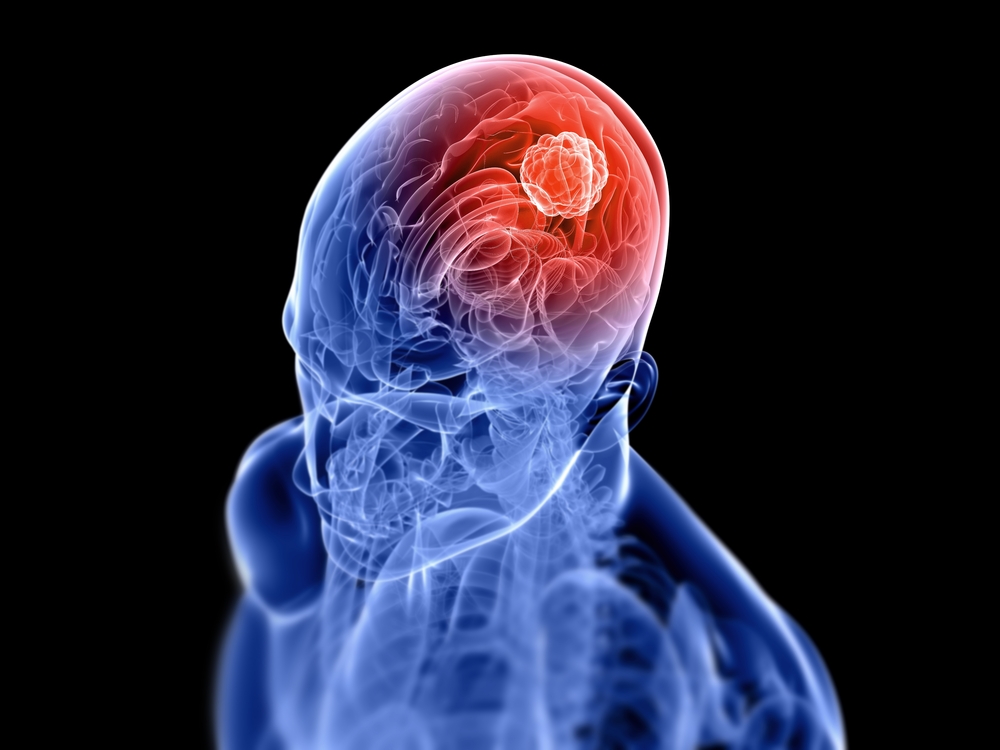
Not all tumors in the brain are cancerous, so irregular cell growths can often be determined as benign and are ignored completely. However, many of these low-danger cell growths can develop into higher-danger cancerous tumors. Identifying these low-danger tumors early is key to preventing cancer in the future.
Magnetic Resonance Imaging (MRI) scans are the primary way medical professionals study the brain. Doctors are trained to identify irregular cell growth patterns and notify patients if they have or are at risk of cancer. Identifying tumors before they become malignant saves both resources and welfare of patients. In this paper, we apply a basic SKLearn Logistic Regression model, a custom Convolutional Neural Network model, and a transfer learning model based on the VGG16 model to automatically diagnose malignant or benign tumors in MRI scans. We found that the VGG16 model performed the best, with a validation accuracy of 91.6%. Logistic Regression had a validation accuracy of 82.3% and CNN an accuracy of 83.2%. These promising results suggest that automated machine learning models can be used as a MRI scan analyzer to diagnose patients more often and more quickly which may have the ability to identify tumors before they become malignant, saving lives.
Explore More!
Related Projects


© 2022 Inspirit AI. All Rights Reserved.