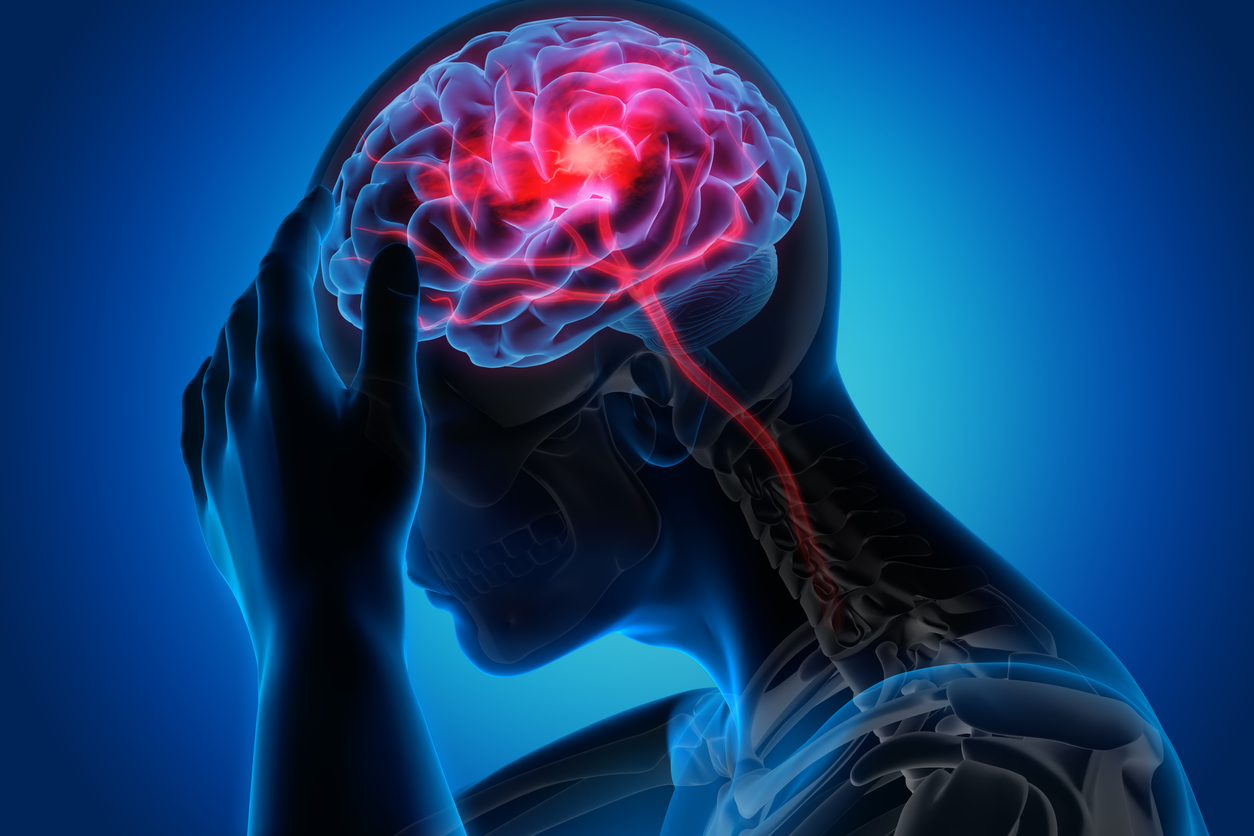
Our research question is centered around predicting stroke susceptibility and determining which demographic and medical factors significantly increase or decrease that risk. Our results indicate the potentiality of the use of AI in determining stroke risk based solely on collected medical and lifestyle data.
Strokes are among the top five leading causes of death in the United States, with over 140,000 patients dying each year in America alone. Our research question is centered around predicting stroke susceptibility and determining which demographic and medical factors significantly increase or decrease that risk. Stroke research in the past has been centered around determining the presence of a stroke using CT imaging after it has occurred; our goal was to determine likelihood of stroke prior to a stroke occurrence in order to prepare patients for and proactively address stroke risk. As such, a deep learning model was developed for stroke prediction and tested on a dataset of 5110 samples. Hyperparameters such as operating point, learning rate, batch size, and epoch value were tuned to maximize model efficiency. The model had an overall accuracy of 0.74, accurately determining 660/954 stroke negative samples and 41/54 stroke positive samples, producing recalls of 0.68 and 0.76 respectively. Overall, it was found that age played the largest role in stroke susceptibility with a correlation value of 0.25. While it was found that medical factors played a larger role in stroke proneness than lifestyle factors, the correlation between average glucose level, heart disease, hypertension, and stroke risk and the correlation between marriage status and stroke risk remained similar at 0.13 and 0.11. Our results indicate the potentiality of the use of AI in determining stroke risk based solely on collected medical and lifestyle data.
Explore More!
Related Projects


© 2022 Inspirit AI. All Rights Reserved.