A Comprehensive Review on Deep Learning Architectures for Image Segmentation
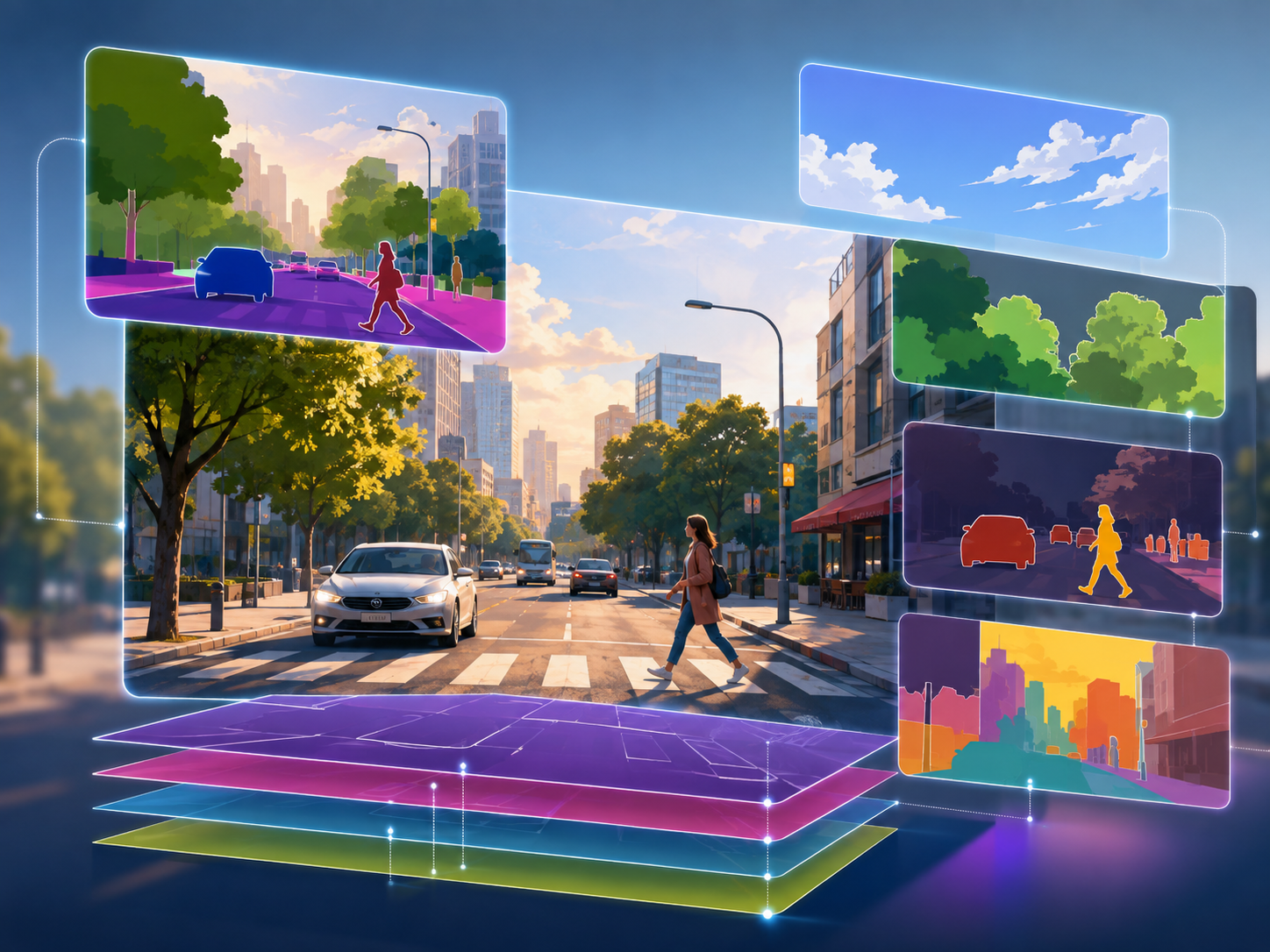
This paper provides a comprehensive review of recent advancements in deep learning-based models for image segmentation, including U-Net, Mask R-CNN, and transformer-based models, analyzing their performance, challenges like data shortage, and potential future directions for improved real-time deployment and interpretability.
At a micro level, image segmentation is an important computer vision task that assists in applications in various fields such as medical diagnostics, self-driving cars, and robotics. The introduction of deep learning in the scene led to great improvements in the performance of segmentation models in terms of accuracy, efficiency, and size. This paper presents a comprehensive literature review of recent advancements pertaining to the deep learning-based architectures for the image segmentation task. Such models include the well-known U-Net and Mask R-CNN models, as well as more recent models including Attention U-Net, segmentation using Generative Adversarial Networks (GANs) and transformer-based models including Vision Transformer (ViT) for segmentation tasks. We also include the analysis of hybrid architectures that utilize both CNN and transformer components for better performance in segmentation tasks. Other important issues such as data shortage and over-difficulty of annotation tasks are also considered, as well as the influence of data augmentation and few apologies on these problems. In addition to that, we also perform a comparative analysis of these architectures and evaluate and compare their performance on several benchmark datasets including their merits and demerits and usage. Finally, we identify current challenges and suggest promising future research directions which will include the development of more efficient models for real-time deployment and improvements in model interpretability and explainability.
Explore More!
Related Projects

© 2022 Inspirit AI. All Rights Reserved.