
Predicting International Commodity Prices, Production, and Land Usage Towards Reducing Agricultural Emissions
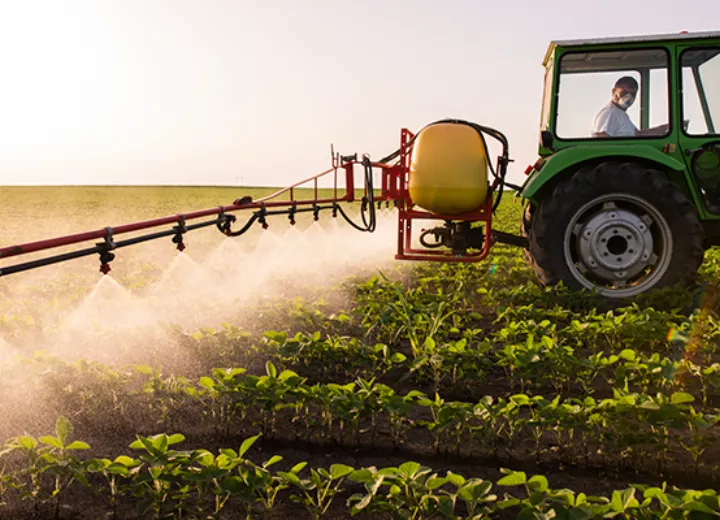
Our long-term goal for this research project was to analyze food insecurity and determine if we could predict the emissions and pricing of different food commodities.
Our long-term goal for this research project was to analyze food insecurity and determine if we could predict the emissions and pricing of different food commodities. Towards this goal, we needed to understand the changes in food production, land use, efficiency, and pricing of these commodities in a sample of different countries. Given the rampant food insecurity heavily influenced by climate change, aiding in reducing the impacts of climate change could be a crucial step towards alleviating food insecurity. Our approach to answering this question was to first gather and analyze data and then use an univariate ARIMA model for time series to further develop our hypothesis and figure out if it was possible to predict future trends. Despite not including external factors like world conflicts, inflations, weather, and trade, the univariate ARIMA is able to predict the prices, production, and efficiency well on some commodities for some countries. Our major conclusions were that our research could be used to make cursory predictions for future values of the food prices and agricultural emissions.
Explore More!
Related Projects

© 2022 Inspirit AI. All Rights Reserved.