Back To Projects

Sketch Recognition using Artificial Intelligence

Joseph N.

This paper is about an AI project that helps people learn about animals.


This paper is about an AI project that helps people learn about animals. The AI can recognize hand-drawn sketches of animals and other objects and provide information about them. I was motivated to start this project because of my interest in art and wanted to build an AI system that could learn to detect art created by humans. I used different supervised classification algorithms such as Logistic Regression, Random Forest and Ridge Classifier to train our model. Random Forest classifier performed the best among all the models we used with an accuracy of 72.8%. I used Python and used Google’s Quickdraw to collect images and data.

Explore More!

Source Code
Joseph N.

Related Projects

T-RECSYS+: An Improved Music Recommendation System

In our research, we build a music recommendation system to make prediction of users' listening preference.
Zhou C.
Mentored by Ross Greer
Classifying AI-Generated Music with AI Models

The importance of this research is twofold: addressing copyright issues and fostering the adoption of AI in the music industry. As AI-generated music blurs the line between human and AI creation, concerns regarding copyright ownership and artistic attribution become paramount [2]. To address these challenges, we created an AI model to differentiate AI-generated music from human-composed music, specifically focusing on music generated by the JukeBox model.
Siddharth M.
Mentored by Anthony Cuturrufo
Analysis of Trending YouTube Videos: Finding Patterns in Viral Content

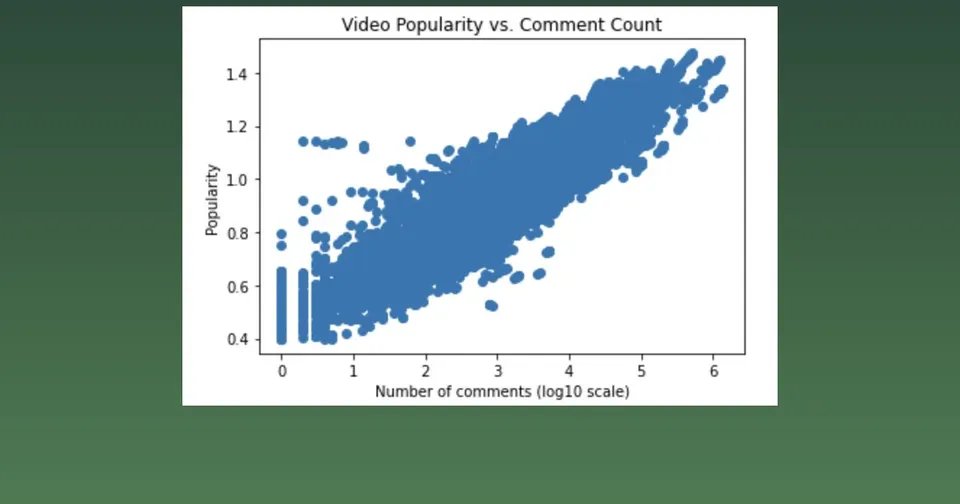
As the digital world continues to grow, content creators frequently have trouble building a community and producing videos that will interest their audience. Especially as these people look toward the internet for both recreational and monetary reasons, finding out techniques to build a community is important in today’s age. This paper analyzes the issues of video performance, revealing the patterns of what makes a video successful and viral. By training different models and testing different datasets, we were able to find the correlation between the potential chances of popularity and the video’s content. Using the most accurate model, the Random Forest model, content creators can see whether or not they are likely to do well based on patterns found in trending videos.
Vincent P.
Mentored by Amanda Wang