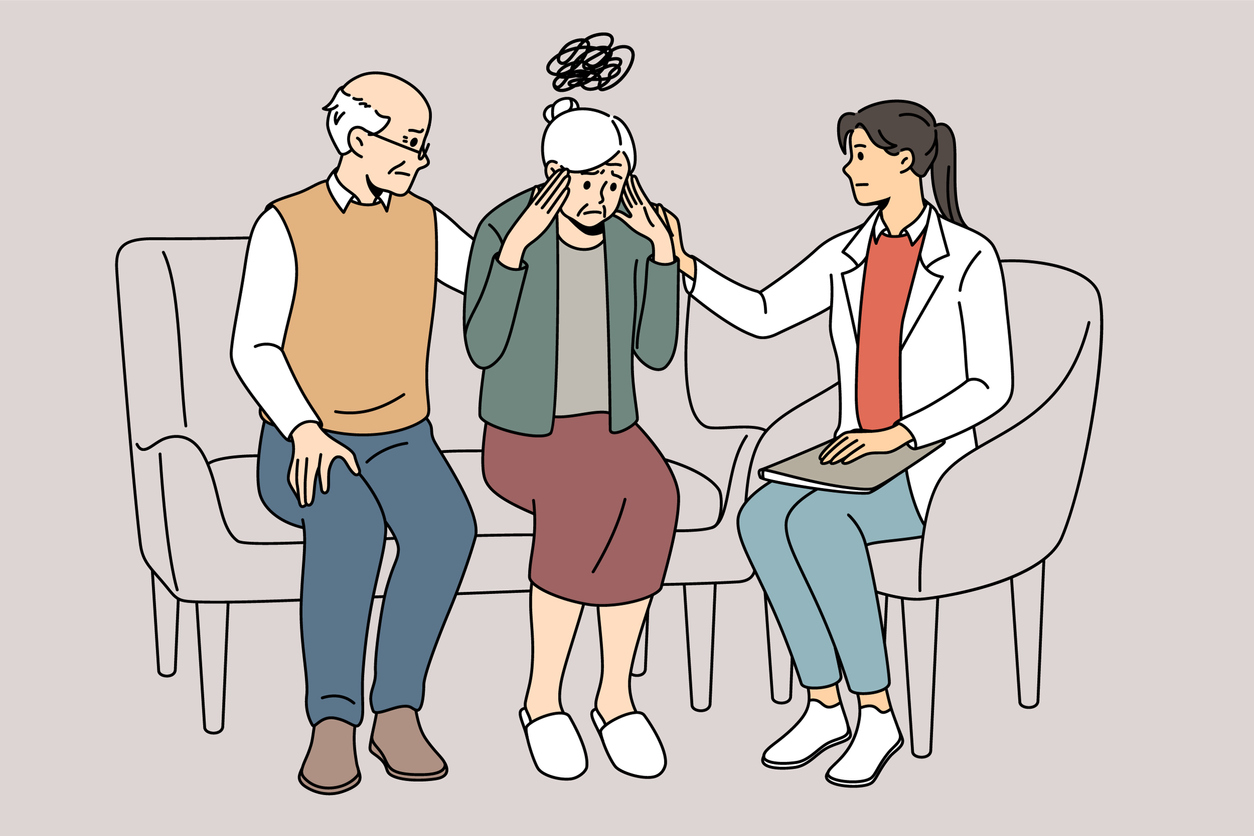
This research addresses the urgent need for early dementia detection by using machine learning to analyze patient health factors, such as heart rate and diabetes, for dementia prediction, achieving a 52% accuracy with a random forest model and paving the way for future model improvements and deeper insights into influential risk factors.
The rising prevalence of dementia poses a significant global health challenge, particularly as populations age. Given the increasing burden of dementia for individuals, families and healthcare systems, there is an urgent need for innovative research to improve prevention, diagnosis, and treatment. Understanding the risk factors and underlying mechanisms of dementia is critical for developing effective strategies to combat this debilitating disease. Early detection is crucial for managing symptoms and potentially slowing progression. By understanding how medical factors influence dementia risk, doctors may be able to identify individuals who could benefit from early intervention and lifestyle changes to help prevent or delay the onset of dementia. Previous research has explored how factors such as high blood pressure, diabetes, and even personality traits can be linked to an increased risk of dementia [3]. However, these studies often rely on self-reported data or focus on a single factor, making it difficult to untangle the complex causes of dementia. The research took a more comprehensive approach by using a dementia patient characteristics dataset with several medical factors. The approach built machine learning models to predict the relationship between patient health parameters such as heart rate, presence of diabetes, and weight and the likelihood of dementia. Logistic regression and random forest algorithms were applied, and the random forest model correctly predicted dementia presence with 52% accuracy, whereas the logistic regression model predicted dementia with 48% accuracy. Future work will tune the models to improve the results and determine which factors were most influential in predicting dementia.
Explore More!
Related Projects
© 2022 Inspirit AI. All Rights Reserved.