
Prioritizing Environmental and Behavioral Context in Autonomous Vehicle Hazard Detection
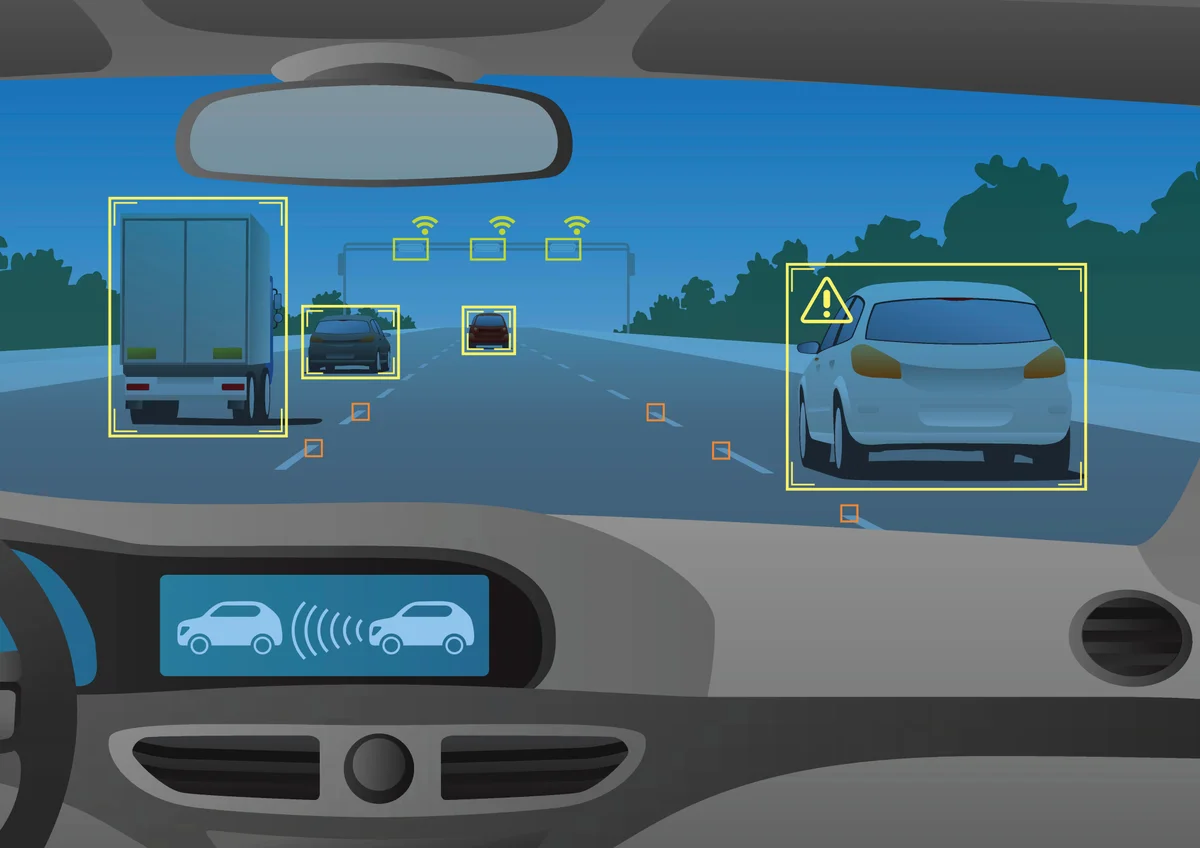
This study evaluates how autonomous vehicles can optimize critical, split-second braking decisions by prioritizing complex environmental and pedestrian behavioral conditions rather than relying solely on fixed distance-based rules. Utilizing a two-stage deep learning framework and an LSTM network on simulated time-series data, the research demonstrates that adaptive safety assessment using motion trends and dynamic Time-to-Collision thresholds significantly enhances hazard prediction accuracy.
This paper examines how autonomous vehicles (AV) can make safe, split-second braking decisions in critical situations. Although AVs promise safer transportation, they remain vulnerable to failures caused by unfavorable weather conditions and unpredictable pedestrian behavior. This project aims to identify which environmental and behavioral attributes autonomous vehicles should prioritize to reduce the risk of severe or fatal mistakes. Using a dataset generated by adapting a simulator from Dixit et al. (2021), this study manipulates conditions including fog, rain, nighttime visibility, and pedestrian speed. A two-stage deep learning framework extracts motion-based features from simulated data and uses a Long Short-Term Memory (LSTM) network to classify time-series as hazardous or non-hazardous using a Time-to-Collision threshold. Results show that environmental and behavioral conditions—rather than distance alone—determine collision risk, and that safety assessment based on dynamic Time-to-Collision and motion trends enables more accurate hazard prediction across example scenarios. These findings highlight the need for AV safety systems to use adaptive, risk-aware braking strategies that respond to changing environmental conditions rather than relying on fixed distance-based rules.
Explore More!

Related Projects

© 2022 Inspirit AI. All Rights Reserved.