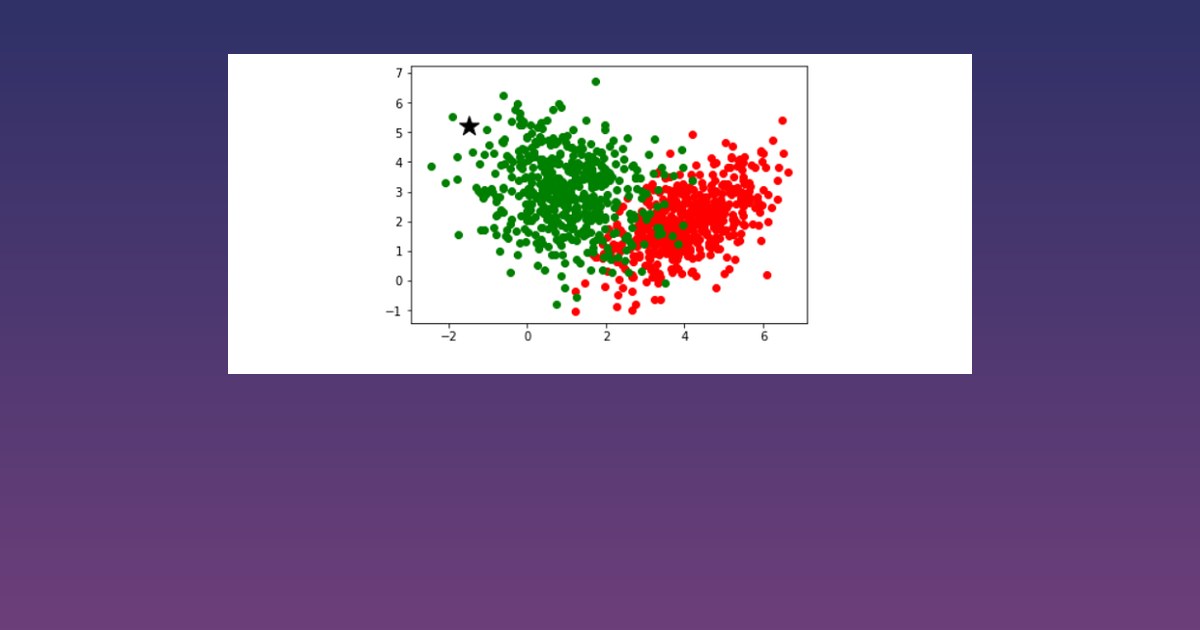
The goal of this research project is to predict whether or not a patient has skin cancer through a machine learning model that is developed from an image dataset. Skin cancer is extremely dangerous, as over 9500 people in the US are diagnosed with it daily. If detected early, patients will have a more likely chance of survival. I tested an MLP Classifier, Decision Tree Regressor, a Logistic Regression Model, and a KNN Model to compare various results and ultimately determine the best accuracy. The MLP Classifier had a 74.5% accuracy, the Decision Tree Regressor had a 74.1% accuracy, the Logistic Regression Model had a 68.8% accuracy, and the KNN Model had a 74.6% accuracy (all testing). We can see that the MLP Classifier, Decision Tree Regressor, and the KNN Model had around the same accuracy while outperforming the Logistic Regression Model. However, when comparing training data, there seems to be a large overfitting problem with most of the models.
The goal of this research project is to predict whether or not a patient has skin cancer through a machine learning model that is developed from an image dataset. Skin cancer is extremely dangerous, as over 9500 people in the US are diagnosed with it daily. If detected early, patients will have a more likely chance of survival. I tested an MLP Classifier, Decision Tree Regressor, a Logistic Regression Model, and a KNN Model to compare various results and ultimately determine the best accuracy. The MLP Classifier had a 74.5% accuracy, the Decision Tree Regressor had a 74.1% accuracy, the Logistic Regression Model had a 68.8% accuracy, and the KNN Model had a 74.6% accuracy (all testing). We can see that the MLP Classifier, Decision Tree Regressor, and the KNN Model had around the same accuracy while outperforming the Logistic Regression Model. However, when comparing training data, there seems to be a large overfitting problem with most of the models.
Explore More!
Related Projects


© 2022 Inspirit AI. All Rights Reserved.