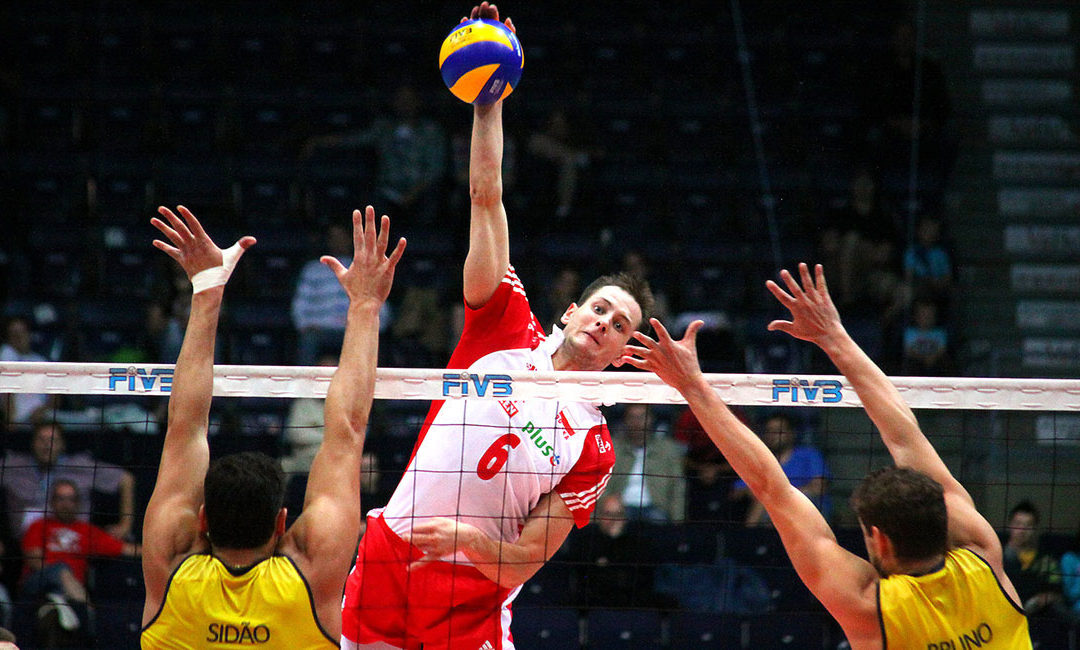
As a child, I always went to my sister’s volleyball games. From club games to school games, I went to them all. Because I saw so many volleyball games by watching my sister’s games, I always saw that there was always a trend that I kept seeing from each team.
During my research project, I aimed to answer my main research problem of whether or not a person’s physiology affected their performance in women’s volleyball. It has always been assumed that a better physiology allows players to succeed in all sports, but I wanted to see if this was the case for volleyball. From previous research done by Sciendo, it has been shown that height is a core value for volleyball players, as it has a higher chance of helping a player succeed if they are taller. Although this is the case, they also found that Japanese volleyball players, who were shorter than the average professional volleyball player, were able to succeed and play at a high level. The overall approach used to answer this question was to see if there was any correlation between a player’s Ranking and their physiology (height, weight, spike, and block). I used a dataset named “Best Volleyball Players 2019” from Kaggle that displayed a wide range of women’s volleyball players and their different attributes along with their ranking. From the results that I have collected, the major conclusions in relation to my main question was that a person’s physiology did not affect their performance and ranking. The number for my error was large, meaning that you did not need to have a more optimal physiology to succeed in volleyball and be higher on the rankings.
Related Projects

© 2022 Inspirit AI. All Rights Reserved.