
The Utilization of Artificial Intelligence in Enabling the Early Detection of Brain Tumors
This research aims to investigate the application of machine learning to enhance diagnosis.
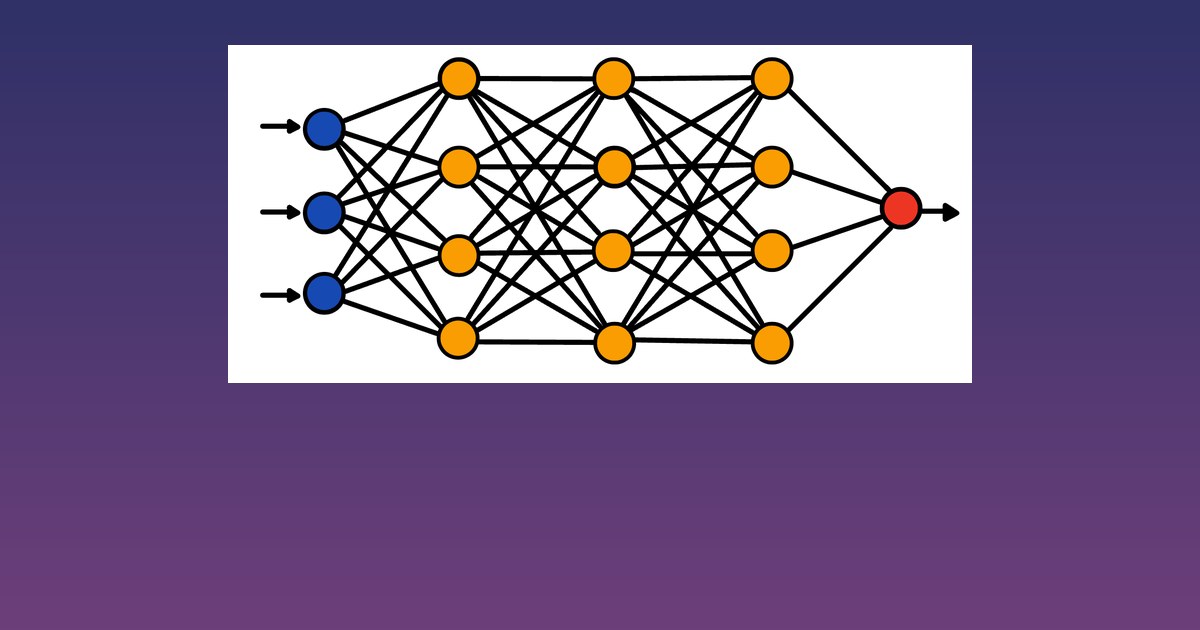
Diagnosing brain tumors is challenging due to their location and varied presentations that may mimic common disorders. A cancer diagnosis can be missed even when advanced imaging is conducted due to interpretive error or an incompatible clinical history as presented. Machine learning, when applied to radiological imagery, can alert physicians earlier to the presence of tumors and improve diagnostic evaluation. This enhanced evaluation can lead to earlier detection of malignant tumors and positively improve prognosis, quality of life, and treatment. This research aims to investigate the application of machine learning to enhance diagnosis. The study developed two machine learning models, a logistic regression model, and a neural network model. We hypothesized that our methods would work sufficiently, proving the correct diagnosis rate, especially within the neural networks model, as they are more complicated in nature. Applying a dataset sourced from Kaggle into the respective algorithms showcased a promising future of machine learning applications to brain tumor diagnosis, with test accuracies in the logistic regression model high (68%) and the neural network model at a significant high (84%). The simple fact of achieving a 84% accuracy rate on new data in the neural network model represents a promising future for the early detection of brain tumors.
Explore More!
Related Projects

© 2022 Inspirit AI. All Rights Reserved.