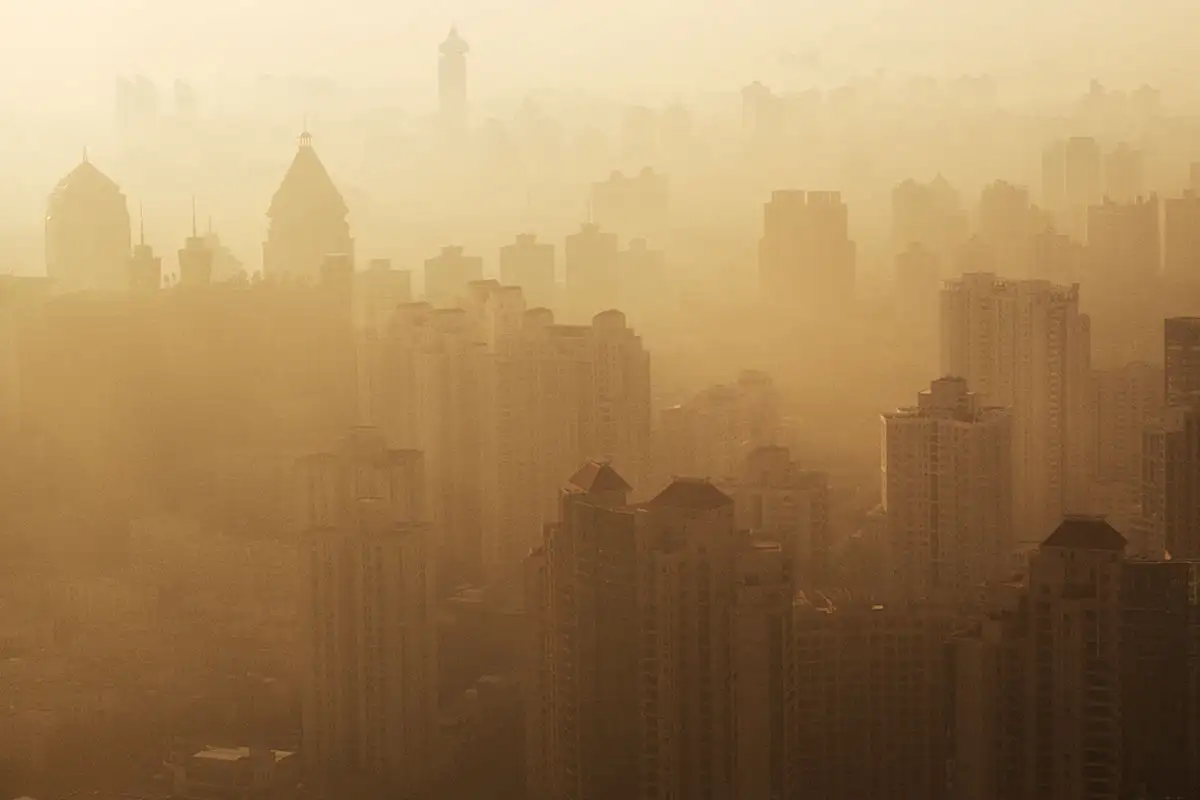
As we release more pollution into the atmosphere as factory and vehicle byproducts, acid rains are formed and are constantly damaging the environment and harming wildlives under and above the ocean. If the occurrence of acid rains can't be limited, the phenomenon of this man-made disaster will threaten the health and safety of billions. By predicting the potential development of acid rain with nitrogen dioxide (NO2) levels, one of the major components of acid rain, we could prevent it by limiting the number of specific gasses produced.
Air pollution has been a lingering problem to many developing countries. Overpopulated cities and unregulated industrial and vehicle emissions constantly destroy the natural environment and harm human health. Being one of the most common air pollutants, nitrogen dioxide, also known as NO2, damages our respiratory system, destroys aquatic food chains, and contributes to the formation of acid rains. In this paper, linear regression, random forest regressor and decision tree regressor from scikit learn are used to predict NO2 level in parts per million (ppm) by analyzing its correlation with other air pollutants in a specific city. The model achieved an accuracy of 69,1 percent using random forest and a 66 percent accuracy using decision tree. The accuracy of the model can increase with a more detailed dataset, but further scientific research and discovery are required to actually predict acid rain based on just NO2, since the amount of NO2 that will cause acid rain is uncountable and many more variables go into the formation of acid rain.
Explore More!
Related Projects


© 2022 Inspirit AI. All Rights Reserved.