
Using Machine Learning to Detect Alzheimer’s Disease in MRI Scans
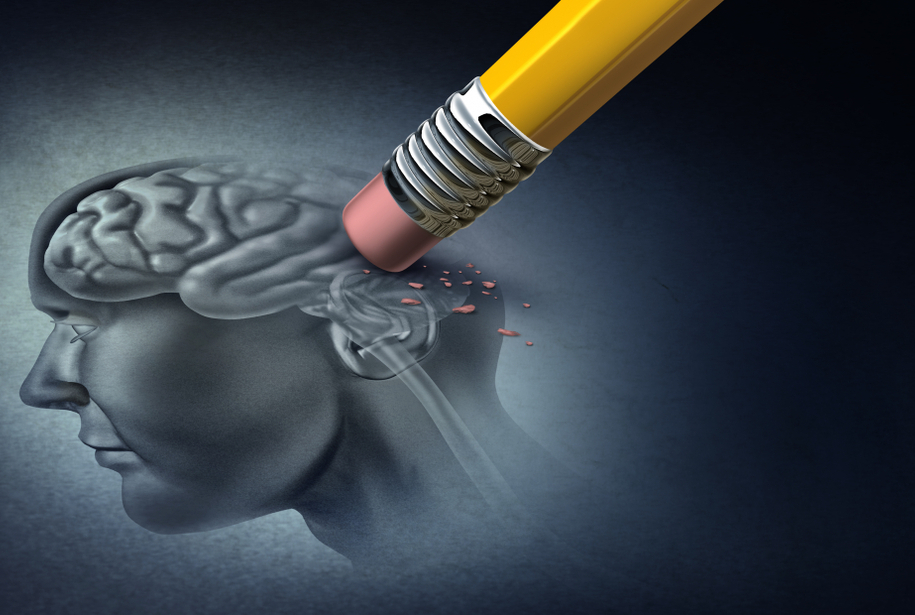
We aimed to answer the question about if Magnetic Resonance Imaging (MRI) scans, which are often used in the diagnosing of other neurological disorders, can be used to diagnose AD in patients.
Alzheimer’s Disease (AD) is a neurological disorder that slowly eats at the brain and affects a patient’s memory, thoughts, and behavior. It often develops in the later stages of life, and is a very heartbreaking disease to watch a loved one go through. As neurologists get closer to finding a cure for Alzheimer’s Disease (AD), it’s still necessary to catch the disease in its early stages to ensure the best quality of life for those who have it. Along with quality of life, it’s important to know if a patient has AD in order to protect them from autoimmune disorders that can worsen their symptoms or pose a threat due to their vulnerable state. We aimed to answer the question about if Magnetic Resonance Imaging (MRI) scans, which are often used in the diagnosing of other neurological disorders, can be used to diagnose AD in patients. While neurologists have already attempted this, we wondered if we could take it a step further by using machine learning to classify the data and separate it into different categories of dementia in order to properly diagnose a patient, as well as determine the severity of their AD. While conducting this research, we found surprising results, shown in how one of our inferior models reported nearly perfect accuracy while a model that was supposed to be superior reported a significantly poorer accuracy. Overall, our models reported back accuracies over 70%. These models also had to be incredibly complicated, with the image data being put into it having to be processed through hundreds of layers if we wanted a satisfactory accuracy. We concluded that while machine learning did report back very high accuracy, it is not a perfect tool for detecting fallacies in MRI scans, it is not meant to be the sole diagnostic for AD.
Explore More!

Related Projects

© 2022 Inspirit AI. All Rights Reserved.