The objective of our research is to figure out how feasible and accurate a mobile device solution to cardiac ascultation is, compared to a digital stethoscope.
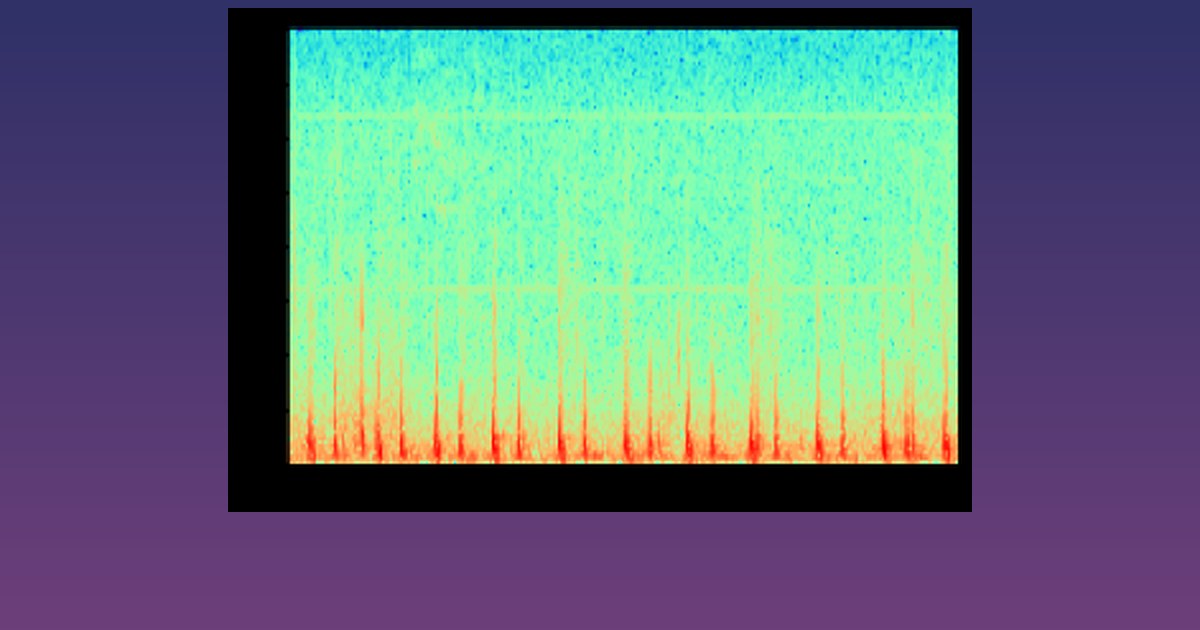
The objective of our research is to figure out how feasible and accurate a mobile device solution to cardiac ascultation is, compared to a digital stethoscope. Having to pay to go to a doctor's office and pay for a medical professional to use a stethoscope is costly and inconvenient. Having a mobile solution that is cheap and uses a medium that is widespread will make diagnoses more accessible. We used a convolutional neural network-based solution, which used the heart sound audio, collected with a digital stethoscope and smartphone, graphed out on a spectrogram for input. The model trained on the smartphone data typically performed 15% worse than the model trained on stethoscope data in terms of accuracy. The hardware technology in phones is still not advanced enough to reliably diagnose with machine learning based off of these results alone.
Explore More!
Related Projects


© 2022 Inspirit AI. All Rights Reserved.